



-
×
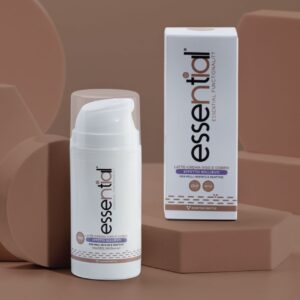 Essentialnio DERMA Face and Body Cream
1 × € 29,00
Essentialnio DERMA Face and Body Cream
1 × € 29,00
Subtotal: € 29,00



Currently, our products are exclusively available in Italy.
We are actively working on expanding our services to offer international deliveries.
Share your contact details with us, and we will keep you updated with the latest news.
Stay tuned!

Free shipping over €39
Published on 08/05/25 Pubblicato il 08/05/25

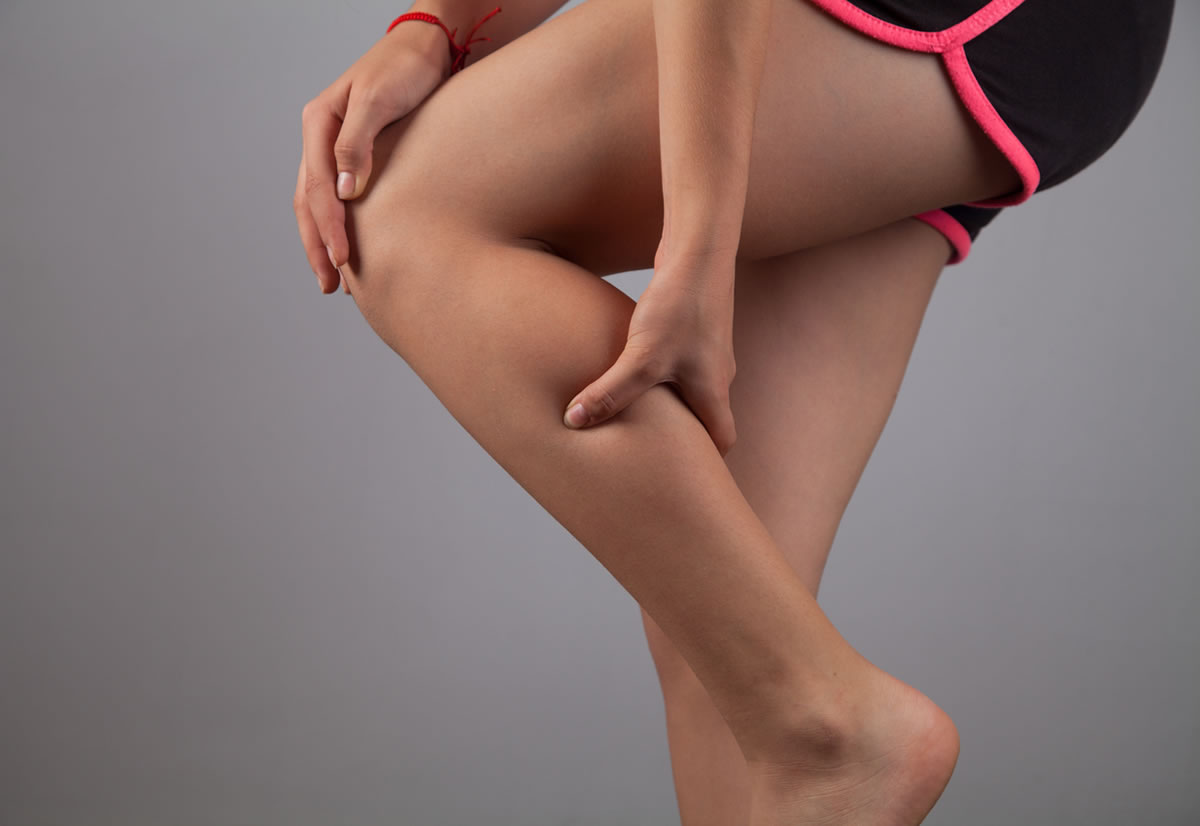
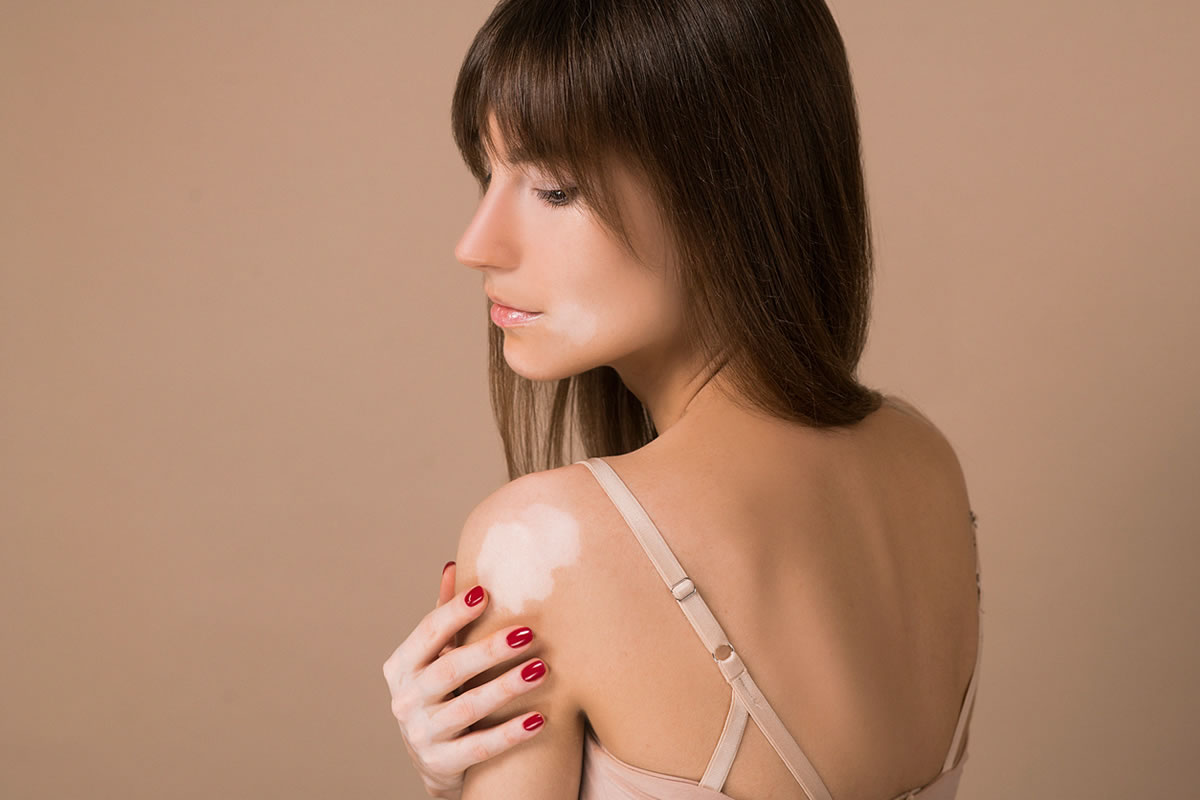
Spring brings an explosion of colors and longer days, but if you suffer from seasonal allergies, you know this also means sneezing, red eyes, and a runny nose. And not only that: sometimes even your skin can become a target for allergies, driving you crazy with itching, redness, and hypersensitivity.
Those who suffer from “hay fever” know that the immune system reacts to pollen by releasing histamine, a substance that causes inflammation. This results in the classic respiratory symptoms – sneezing, itchy nose, watery eyes – but it can also affect the skin, especially if you have an atopic predisposition. In some cases, simple contact with pollen can trigger contact urticaria, which is the appearance of red, itchy welts on the skin similar to mosquito bites. If you already have sensitive skin or atopic dermatitis, spring allergies can worsen the symptoms: patches of red, dry, flaky skin appear with intense itching. Basically, your body is overreacting to harmless substances like pollen, and this inflammatory reaction manifests as skin irritation.
Why does the skin become so reactive? During a seasonal allergy, histamine and other inflammatory mediators circulate in the body and can also affect the skin. The superficial blood vessels dilate (hence the redness) and nerve endings are stimulated (hence the itching). Moreover, those who suffer from eczema or dermatitis already have a fragile skin barrier: pollen and dust can penetrate more easily and trigger inflammation. The result is not pleasant at all: skin that itches and gives a crazy itch, testing your willpower to avoid scratching!
Reduce contact with pollen. It may seem obvious, but less pollen on the skin means less reaction. When you come home after being outdoors, take a shower and wash your hair to remove pollen grains from your body surface. Change the clothes you wore outside (yes, even if you wore them for a short time) and maybe leave them out of the bedroom. It can also help to keep windows closed during peak pollen hours and ventilate the house during times with lower concentrations. In the car, use the pollen filter of the air conditioning if available.
Be gentle in daily cleansing. The care of sensitive skin starts in the shower. Avoid baths or showers that are too long and with boiling water, as excessive heat can dry and irritate it further. It’s better to use lukewarm water. Use gentle and hypoallergenic cleansers, so no harsh soaps or strong perfumes that clean without destroying the protective hydrolipidic film. When you get out of the shower, do not rub the skin with the towel: gently pat it dry.
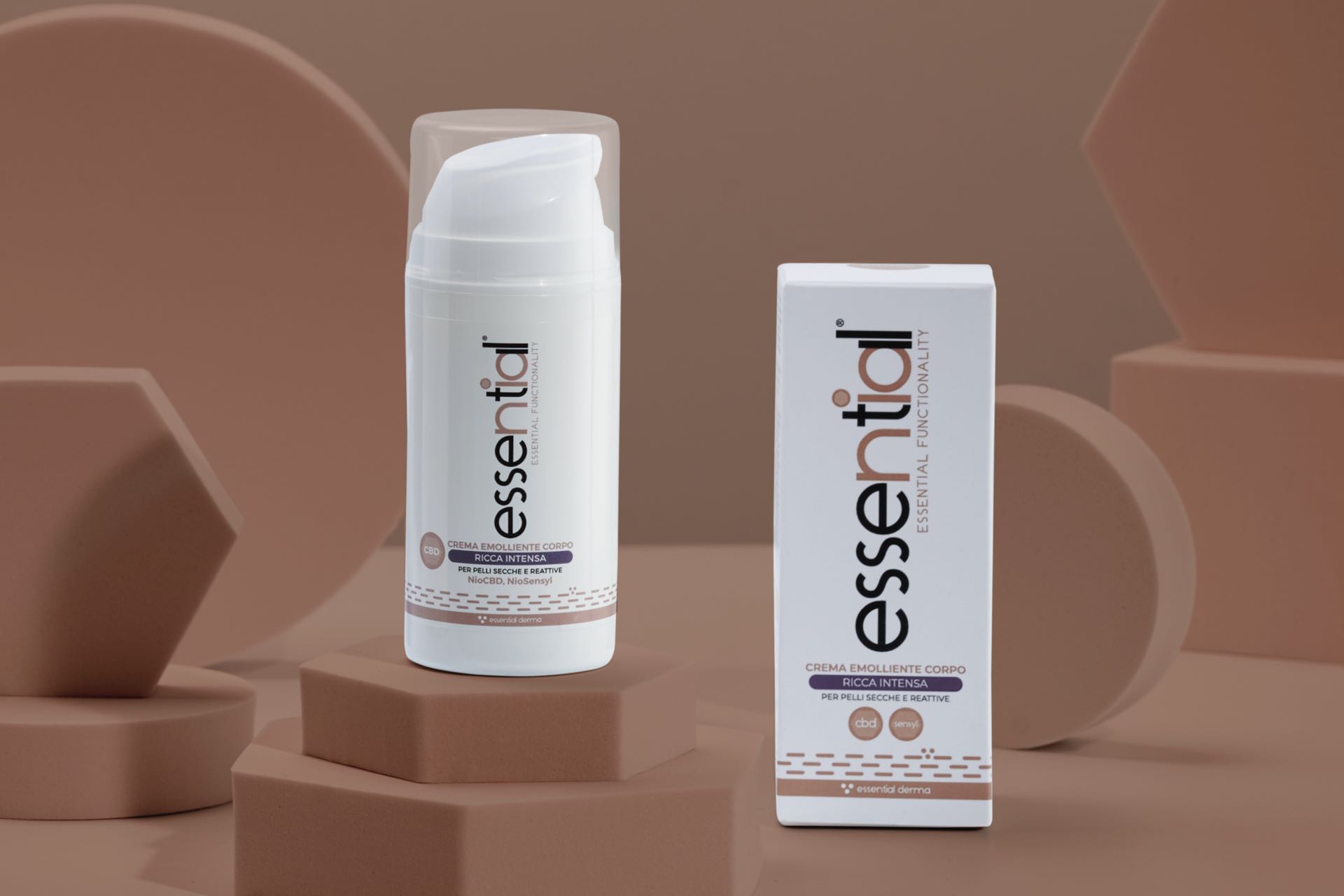
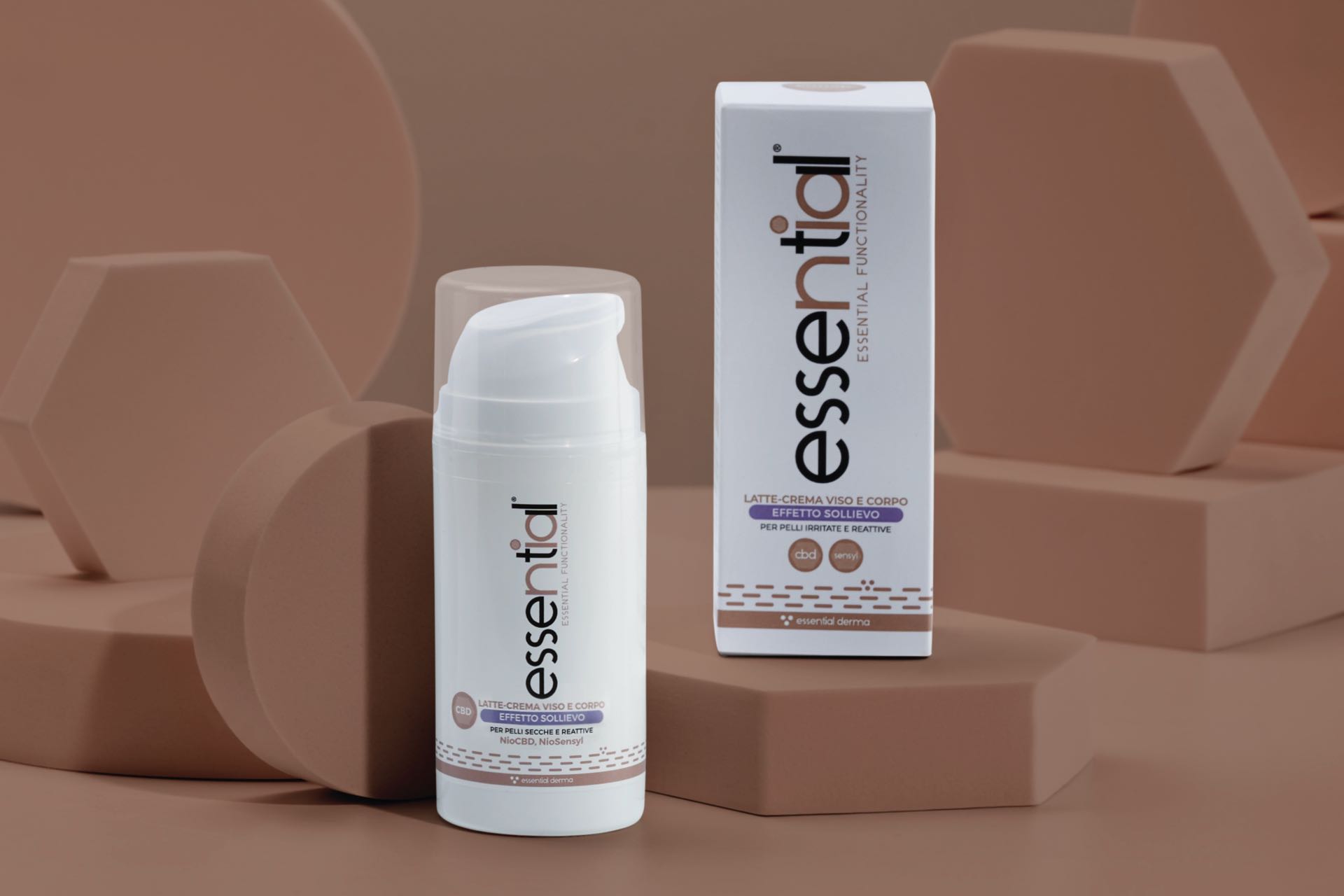
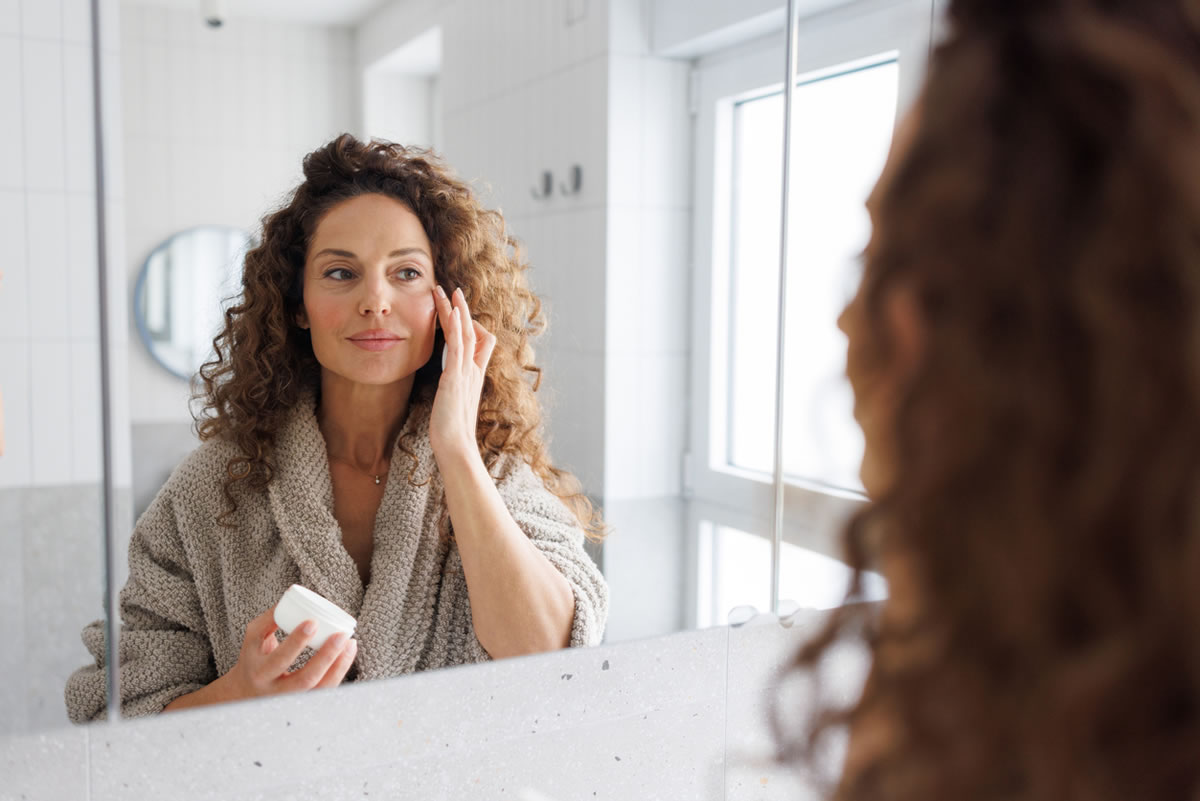
Keep your skin hydrated. After cleansing (and whenever you feel the need), apply Essentialnio® DERMA Rich Body Cream on dry areas: it helps restore the skin barrier and retain moisture, making the skin less reactive to allergens. Thanks to its soothing and moisturizing formula, you’ll have extra relief. Apply the cream with a light massage, preferably after a shower when the skin is still slightly damp: it promotes absorption and hydration.
Avoid scratching (and find alternative tricks). We know, the itch is unbearable and scratching provides a momentary solution. But then? You risk creating micro-wounds, increasing irritation, and even facilitating bacterial infections. Instead, try applying a cool compress to the itchy area (a cloth dampened with cool water can calm the itching sensation), or distract yourself by gently massaging the area with moisturizing cream instead of scratching with your nails.
Watch out for clothes and sweat. Even what you wear can have an impact. It’s better to wear light cotton clothing or breathable natural fibers that don’t irritate the skin. Avoid wool, rough synthetic fabrics, or very tight clothing on sensitive areas: they can cause friction and increase itching.

Disclaimer: Information provided at the best of our knowledge. We do not take responsibility on information provided. Essentialnio® products are not intended to diagnose or treat disease, or to substitute a physician’s consultation. The information about products is not medical advice or treatment. If side effects occur, discontinue use and consult a clinician or your pharmacist.


 Essentialnio DERMA Face and Body Cream
1 × € 29,00
Essentialnio DERMA Face and Body Cream
1 × € 29,00 Subtotal: € 29,00