

Currently, our products are exclusively available in Italy.
We are actively working on expanding our services to offer international deliveries.
Share your contact details with us, and we will keep you updated with the latest news.
Stay tuned!

Free shipping over €39
Published on 16/12/25 Pubblicato il 16/12/25

If you train often, walk a lot, or do high-impact sports (like running, soccer, padel, basketball), sooner or later you might encounter that annoyance under the foot that doesn’t forgive: heel pain or along the plantar arch, especially when you get out of bed or take the first steps after being still. It’s one of the most typical signs of plantar fasciitis, an inflammation (or more often an overload) of the plantar fascia, which is the band of tissue that runs under the foot and helps support it while you walk, run, and jump.
The “tricky” thing about plantar fasciitis is that at first, it seems like a manageable annoyance, almost ignorable. But then, if you keep pushing as if nothing happened, it becomes a pain that affects you: you change your footing, stiffen your ankle, alter your stride, and eventually risk dragging compensations to your knee, hip, and back. In short: if you like to be always on the move, it’s best to address it early, without heroics.
Because the foot is a masterpiece of engineering… but it’s not infallible. Plantar fasciitis often occurs when the fascia is loaded more than usual: sudden increase in mileage, resuming after a break, speed work, jumps, changes of direction, hard surfaces, shoes that are “dead” or not suited to your footing. Even reduced mobility of the calf and Achilles tendon can increase traction on the fascia, as can a very pronounced arch or, conversely, a foot that tends to collapse inward.
And no, it’s not “just” a runner‘s thing: it also happens to those who stand for long hours, play indoor sports on parquet, and alternate hyperactive days with sedentary ones. The foot loves progression, not sudden changes.
If in the morning you feel a sharp pain under the heel or along the sole and then, after a few minutes, it gets a bit better, you’re in the most common scenario. The reason is simple: at rest, the fascia “cools down,” and when you start moving again, it’s suddenly stretched. The same can happen after a car ride, a long meeting, or after being on the couch. But beware: the fact that it “passes” as you warm up doesn’t mean it’s resolved. It only means you’re masking the problem with increased temperature and mobility.
The best strategy for athletes is not to disappear from the world for three weeks nor to continue as if nothing happened. It’s a smart middle ground: reduce the loads that irritate the fascia and keep the body active in a different way, while giving the foot a chance to calm down.
In the most acute phase, it makes sense to avoid activities that “hammer” the foot for a while, especially running on asphalt, jumping, and explosive work. If you don’t want to lose fitness, you can often substitute with cycling, swimming, or strength exercises that don’t aggravate the pain, so you stay in rhythm without continuing to stress the fascia. If every session ends with the foot presenting the bill, it’s not a tough mentality: it’s just a quick way to prolong recovery time.
Another key point is calf mobility. Many plantar fasciitis cases stem from a posterior chain that’s too tight: if the calf is stiff, every step “tears” the fascia a bit. Gradually working on stretching and, even more, on controlled strengthening of the calf and foot muscles can make a huge difference. The foot doesn’t just need to be “relaxed”: it needs to be stronger and more stable.
Then there are the shoes. If you have a shoe worn out at the heel or inside, or a very minimal shoe you’re using during an overload phase, you’re sending the foot a mixed message. It doesn’t mean there’s a magic shoe, but a shoe that’s still structured and not collapsed can help reduce stress on the fascia while you recover. Even a suitable insole, in some cases, can be a useful temporary support, especially if you feel the arch “collapsing” and dragging the pain.
When the fascia is irritated, some pain management is legitimate. Cold can be useful in the early stages or after a day when you’ve walked a lot, especially if you feel an evident inflammatory component. A light massage on the sole and calf can also provide relief, as long as it doesn’t become torture: if you press hard and the next day you’re worse, it’s not “beneficial,” it’s just another stress.
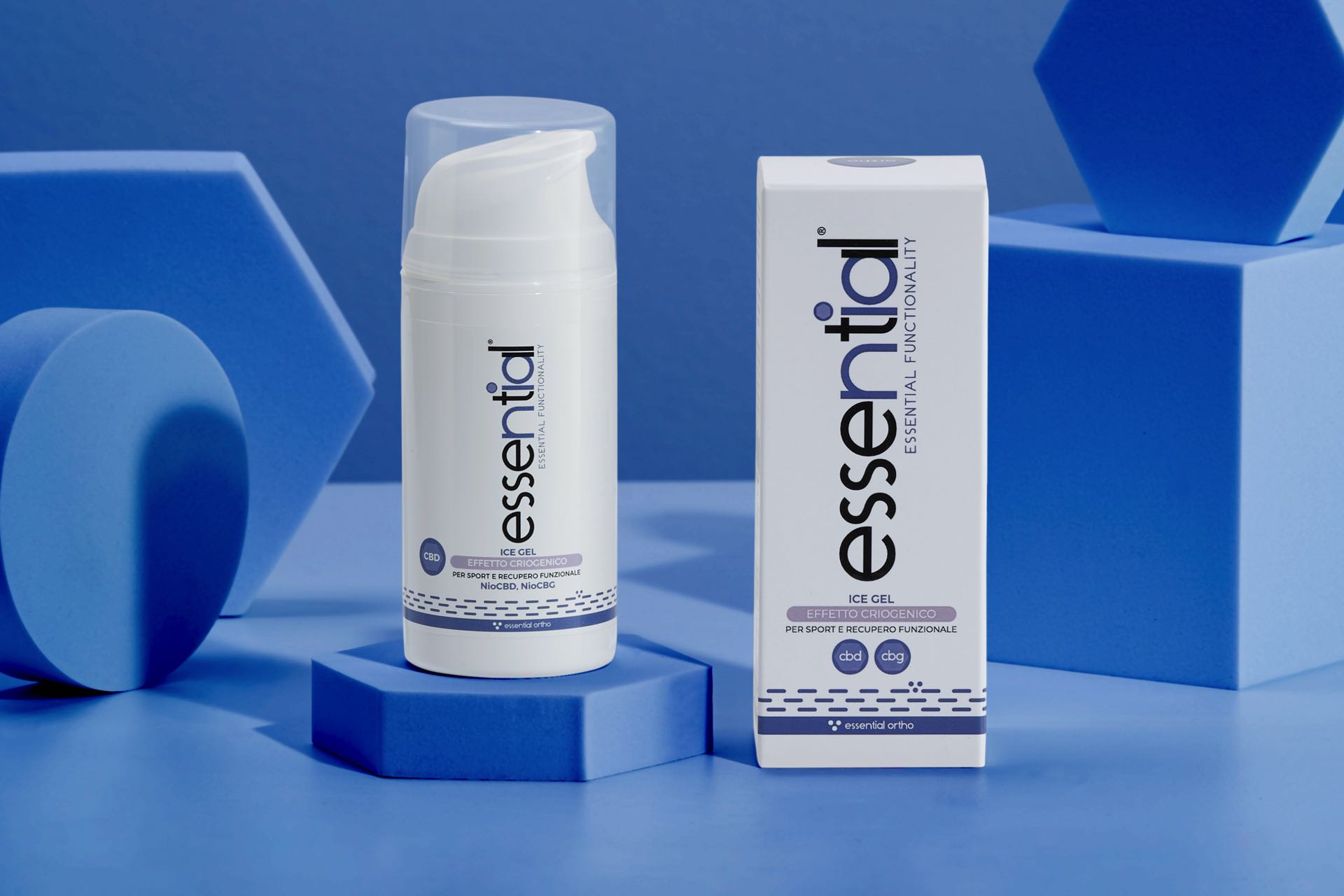
If you want to add a practical support to your routine, for example after a shower or workout, you can also consider a topical product designed for muscles and joints. For those who play sports and need a quick but consistent gesture, a gel or cream from the ORTHO line can be a sensible idea as part of recovery, especially if combined with load reduction and work on mobility and strength. It’s not the solution on its own, but it can help make the phase when the foot “grumbles” more manageable.
If the pain lasts for several weeks, worsens despite reducing loads, or prevents you from walking normally, it’s worth discussing it with a professional (physiotherapist or doctor). Also because not everything that hurts the heel is plantar fasciitis: there are Achilles tendon irritations, support problems, bone overloads, and other conditions that completely change the approach.
The good news is that, in most cases, plantar fasciitis really improves when you treat it with an athlete’s logic: progression, listening to signals, active recovery, and targeted strengthening. The bad news is that if you treat it with the “grit your teeth and see” logic, it tends to remember.

Disclaimer: Information provided at the best of our knowledge. We do not take responsibility on information provided. Essentialnio® products are not intended to diagnose or treat disease, or to substitute a physician’s consultation. The information about products is not medical advice or treatment. If side effects occur, discontinue use and consult a clinician or your pharmacist.