


-
×
 Essentialnio DERMA Face and Body Cream
1 × € 29,00
Essentialnio DERMA Face and Body Cream
1 × € 29,00
Subtotal: € 29,00



Currently, our products are exclusively available in Italy.
We are actively working on expanding our services to offer international deliveries.
Share your contact details with us, and we will keep you updated with the latest news.
Stay tuned!

Free shipping over €39
Published on 28/10/25 Pubblicato il 28/10/25

Atopic dermatitis is a chronic skin condition that affects adults and children, often presenting with dry skin, itching, and redness. Those who suffer from it know well: when winter arrives, the symptoms seem to intensify. But why does this happen? And, most importantly, what can be done to alleviate the discomfort?
During winter, the skin is put to the test. Lower temperatures reduce sebum production, the skin’s natural protective barrier, making it more vulnerable. The situation is worsened by dry air, both outside and in heated indoor environments. Home heating further lowers humidity levels, causing water loss in the skin (known as transepidermal water loss). The result? Tight skin, itching, irritations, and flare-ups of dermatitis.
Even constant temperature changes stress atopic skin. These fluctuations can promote inflammation, making the skin more sensitive and prone to micro-lesions. Additionally, oxidative stress from free radicals increases in winter, further weakening the skin barrier.
Often, small daily habits worsen symptoms without even realizing it.
Too hot showers, harsh cleansers, or wool garments in direct contact with the skin are among the main “saboteurs” of skin balance. Diet can also have an impact: a diet low in essential fatty acids (like omega-3s) and antioxidants can make the skin drier and more reactive.
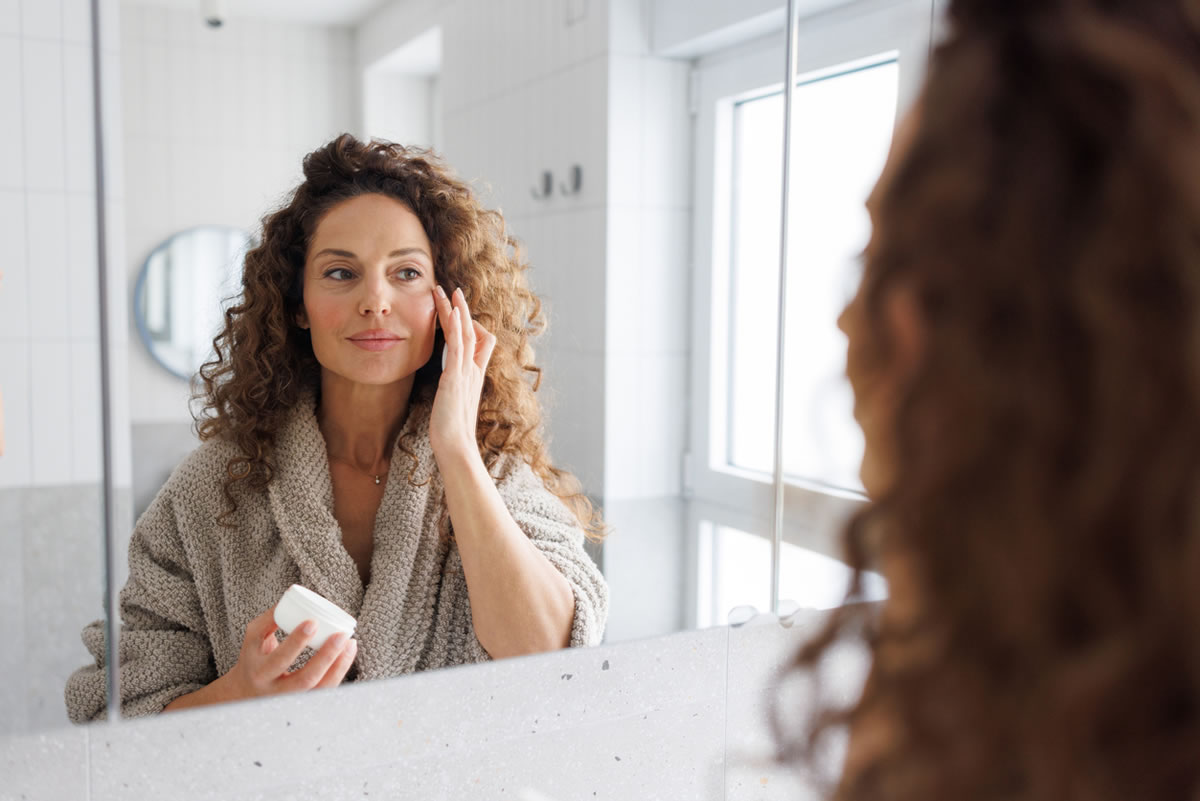
Choosing the right products can make a difference. Soothing, moisturizing formulas free of fragrances or parabens help reduce dryness and calm itching.
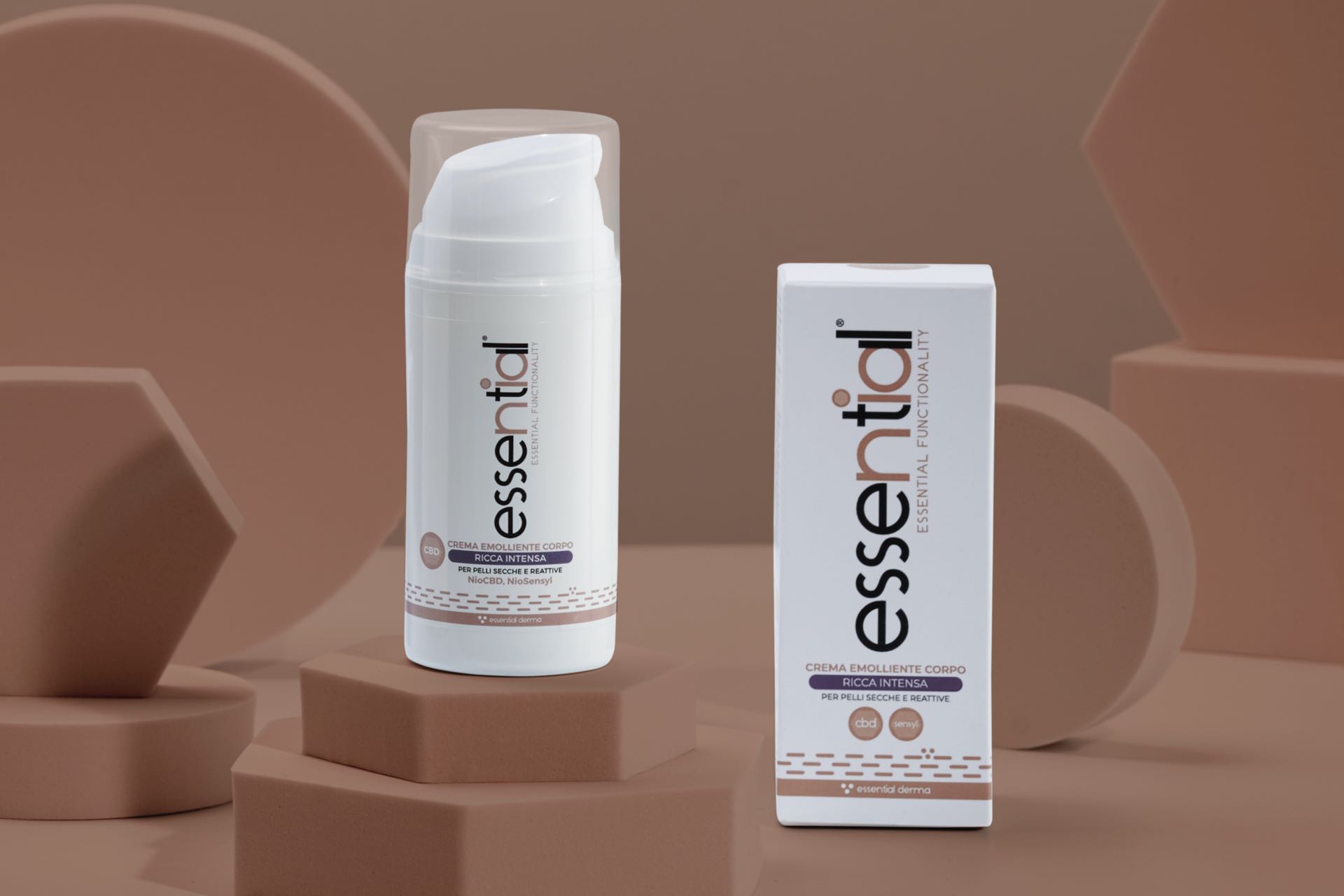
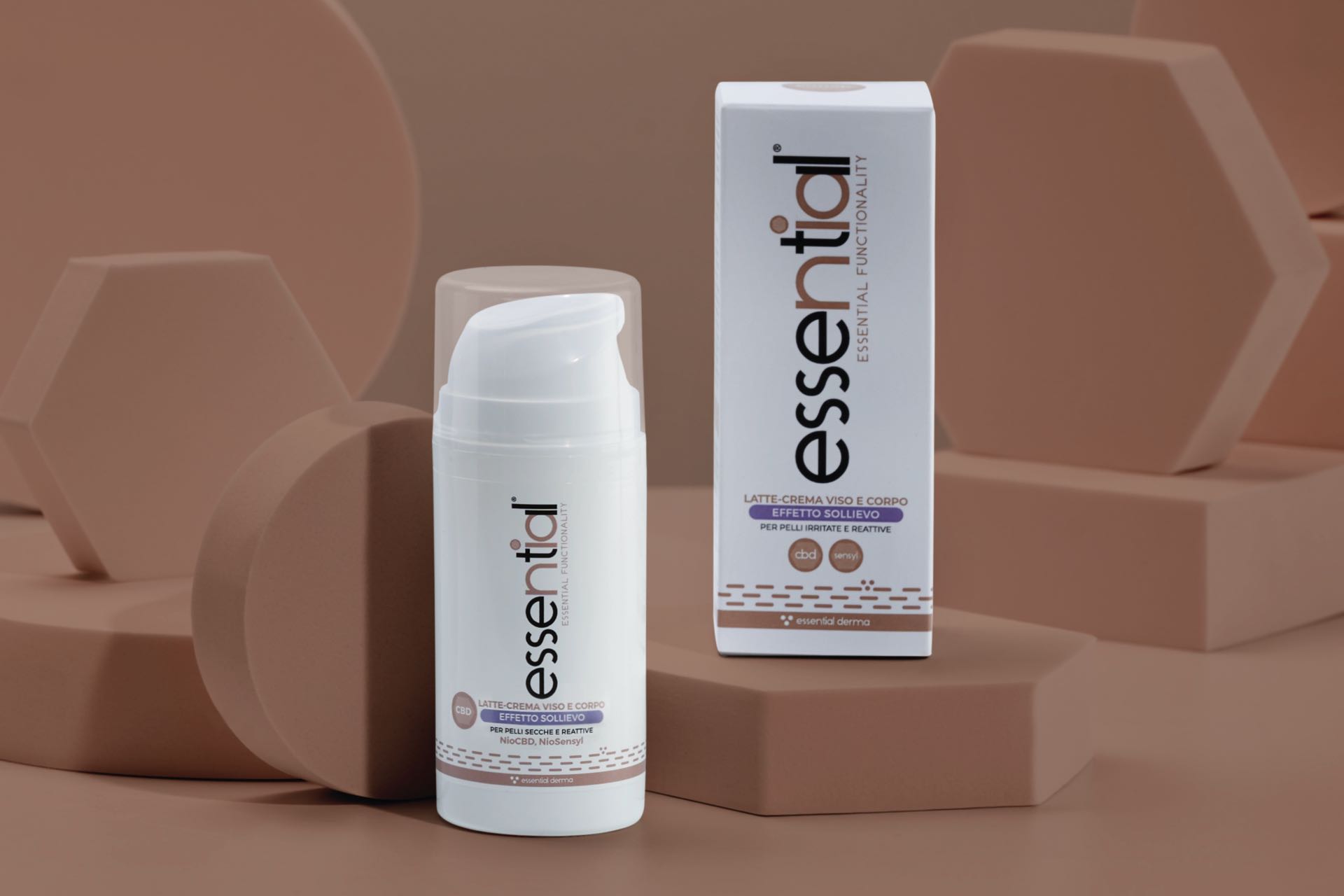
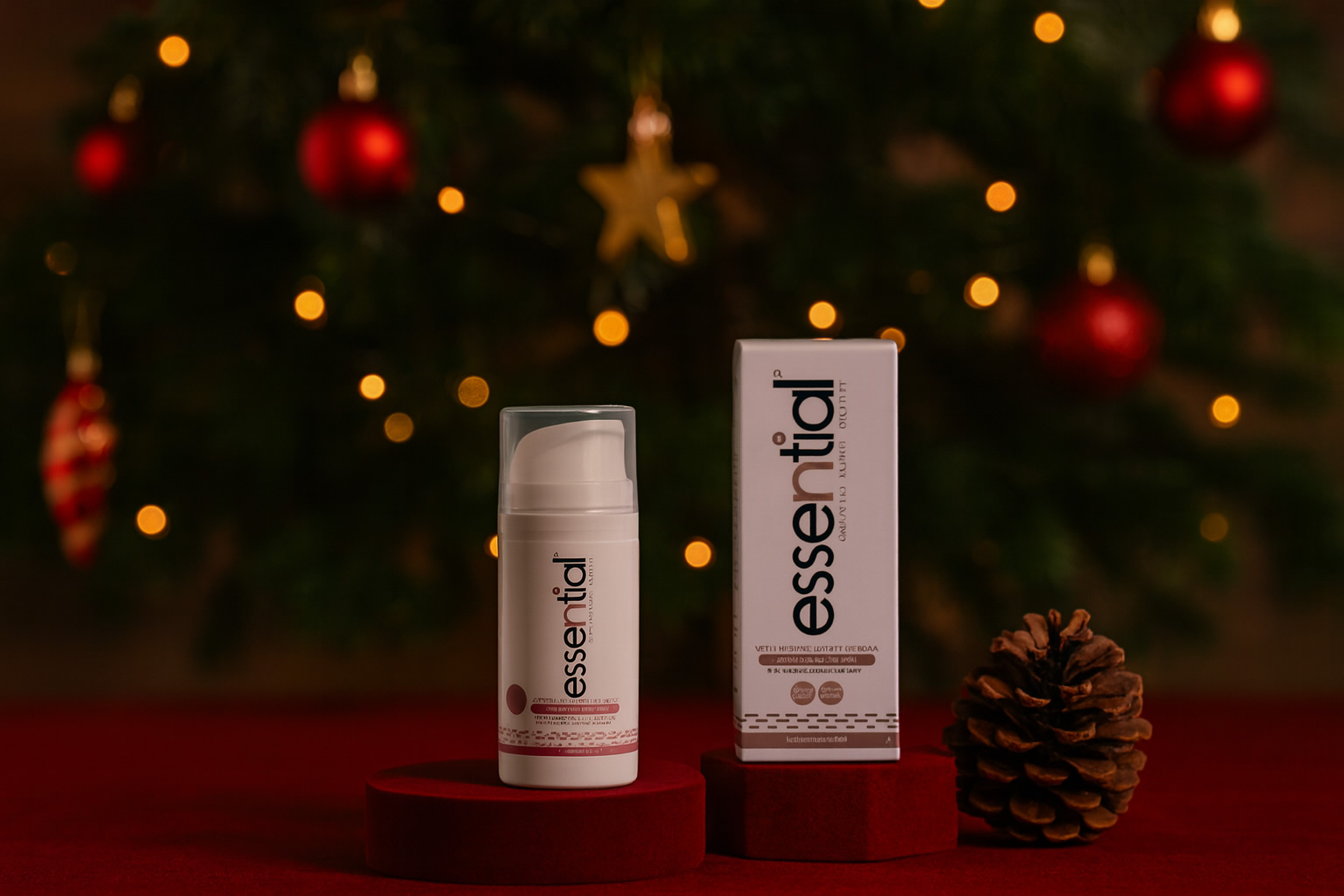
If you’re looking for a routine designed specifically for sensitive and easily irritated skin, check out the Essentialnio DERMA line: products formulated to deeply nourish the skin and help keep it protected even in the coldest months.
Disclaimer: Information provided at the best of our knowledge. We do not take responsibility on information provided. Essentialnio® products are not intended to diagnose or treat disease, or to substitute a physician’s consultation. The information about products is not medical advice or treatment. If side effects occur, discontinue use and consult a clinician or your pharmacist.


 Essentialnio DERMA Face and Body Cream
1 × € 29,00
Essentialnio DERMA Face and Body Cream
1 × € 29,00 Subtotal: € 29,00