



-
×
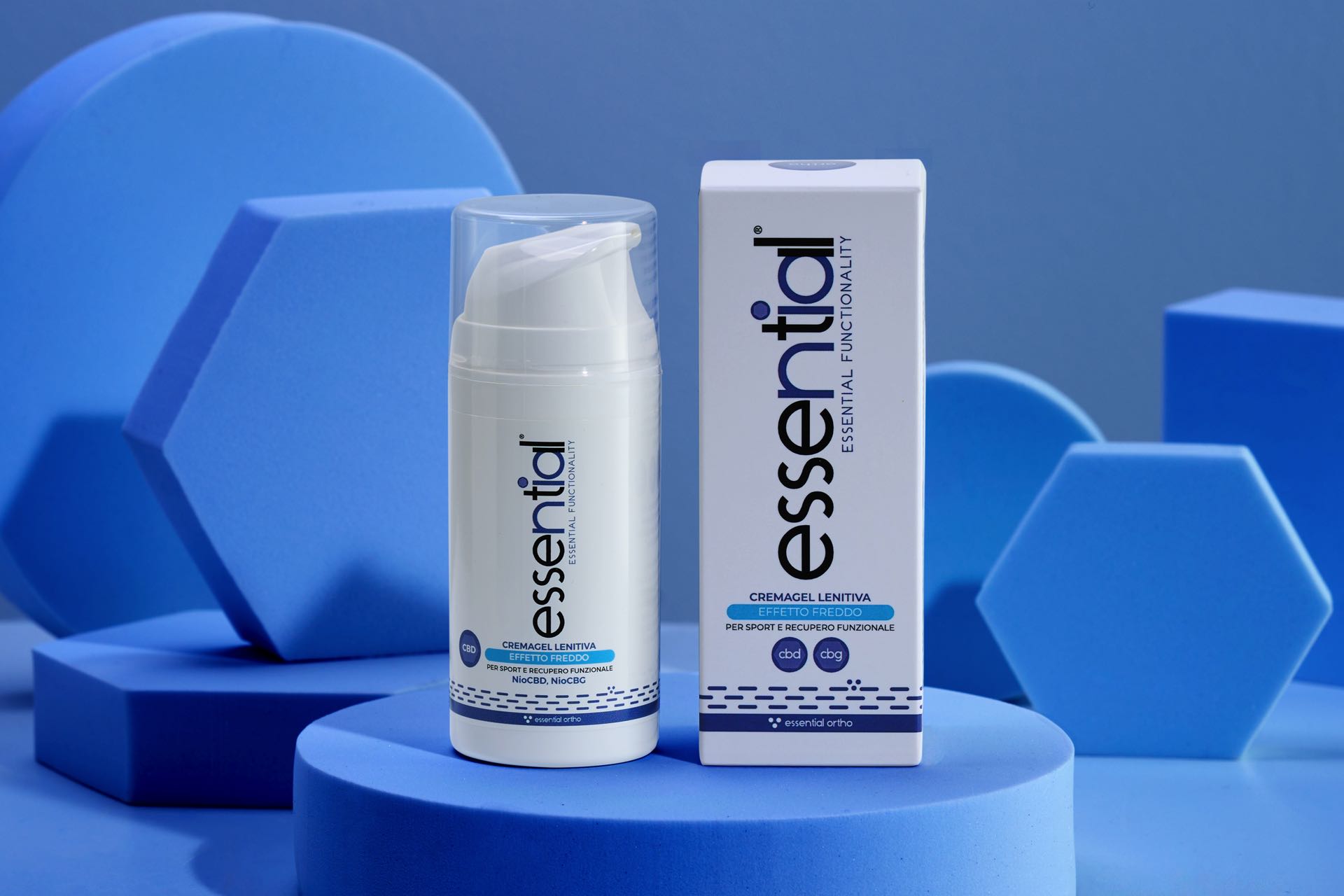
 Essentialnio ORTHO Cold Effect Cream Gel
1 × € 29,00
Essentialnio ORTHO Cold Effect Cream Gel
1 × € 29,00
Subtotal: € 29,00



Currently, our products are exclusively available in Italy.
We are actively working on expanding our services to offer international deliveries.
Share your contact details with us, and we will keep you updated with the latest news.
Stay tuned!

Free shipping over €39
Published on 25/08/25 Pubblicato il 25/08/25
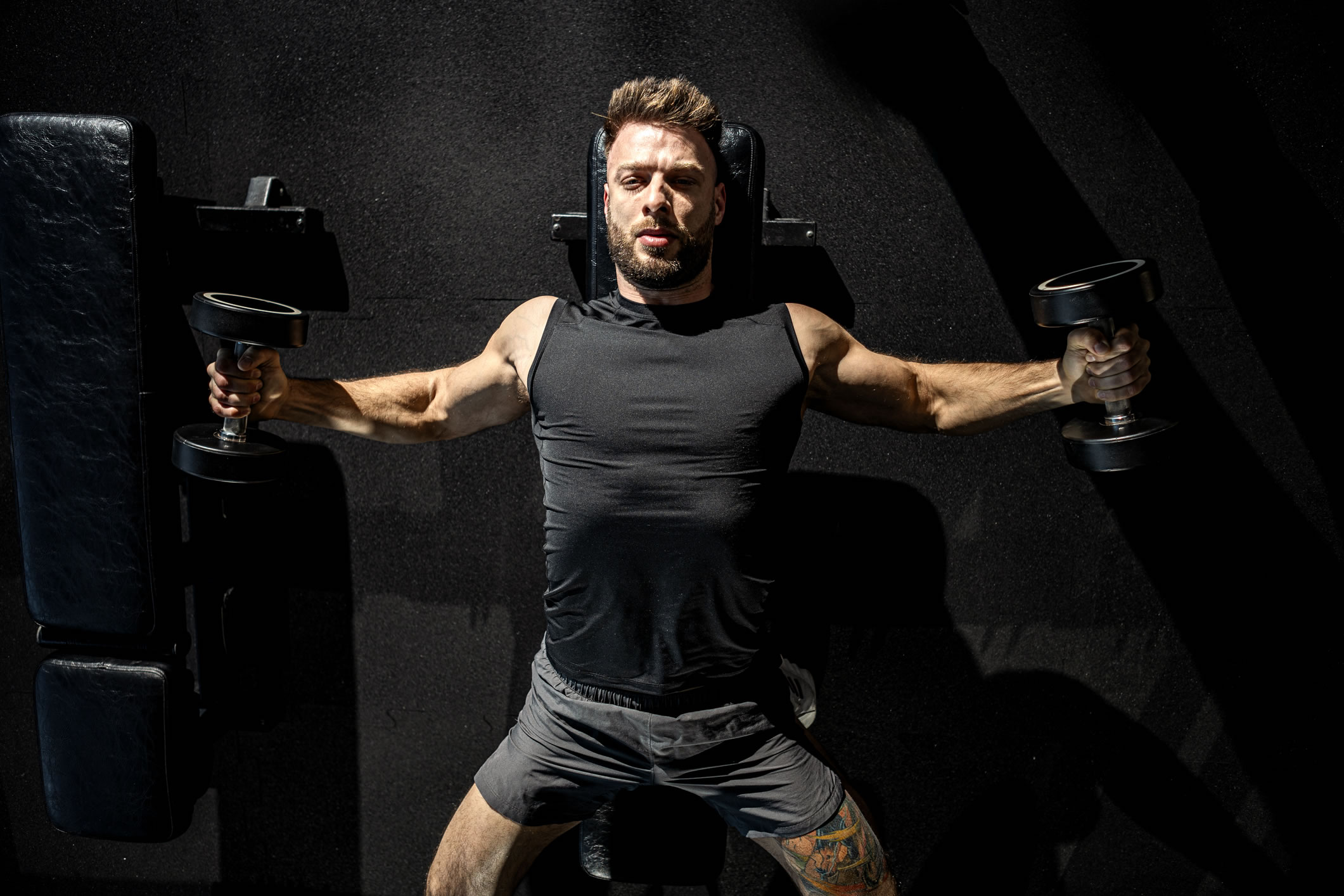
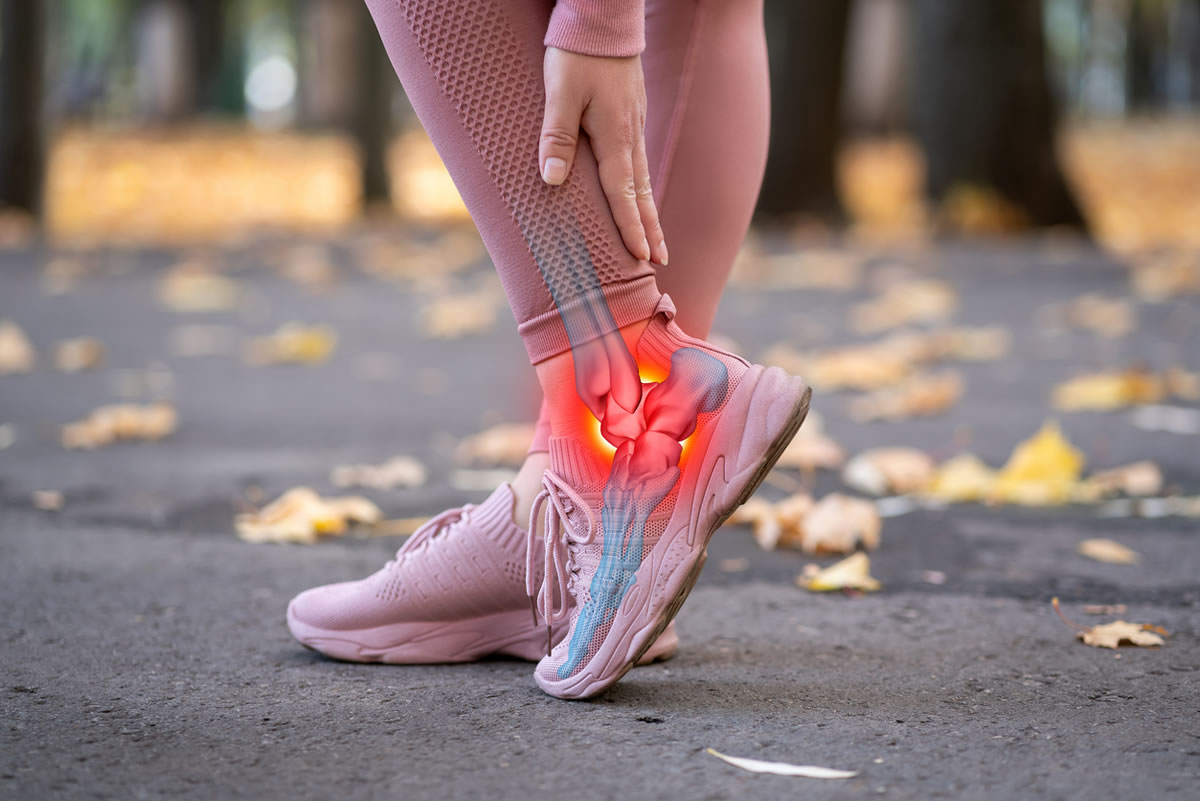
Training well means training without injury. Muscle injuries in the gym often arise from haste, excessive loads, poor technique, or insufficient recovery. In this article, you’ll find a simple pre and post workout protocol to prevent strains, contractions, and unnecessary fatigue, maintaining consistency and results.
Start with a real warm-up. 8-12 minutes are enough, but they must be targeted to the movement you’ll perform. If you’re training legs, try 5 minutes of light cycling to increase body temperature, then dynamic mobility of hips and ankles with walking lunges and ankle circles. If you’re working the upper body, 5 minutes of rowing and shoulder mobility with a stick, scapular openings, and thoracic rotations.
Add specific activations. Glute bridge with a band before squats and deadlifts, face pull or scapular push-up before bench presses and pull-ups. Five to ten controlled repetitions for 2 sets activate the right muscles and reduce compensations that lead to muscle injuries.
Scale the load progressively. First set with just the barbell, second at 50-60%, third at 70-80% of working load; few repetitions, clean movement. This way you prepare tendons and tissues for the real load, avoiding sudden shocks.
Respect technique before weight. Neutral spine, feet firmly planted, stable trajectories. If you lose form or “jerk” the weight, reduce immediately. Keeping 3-4 repetitions in reserve is more than enough to progress without injuries.
Manage fatigue between sets. Adequate rests (from 90 seconds to 3 minutes depending on the exercise and goal), diaphragmatic breathing to lower heart rate and regain control of movement. Avoid extending beyond technical failure: that’s not where you build safety.
Finally, enter the gym already hydrated and energized. Drink in the hour before and have a light snack 60-90 minutes prior (easily digestible carbohydrates and a portion of protein). Training dry or completely fasting can increase cramps and technique drops.
Finish with a cool down of 5-8 minutes. Walking or light cycling to bring heart rate back to rest and clear metabolites. Immediately after, light stretching on worked areas: 2-3 exercises per muscle, hold for 30-45 seconds without bouncing. The goal is not to become contortionists, but to restore physiological lengths to tissues.
Include calm breathing and mobility. Two minutes of slow nose-to-belly breathing help switch to recovery mode; some gentle mobility exercises for the lower back and shoulders reduce stiffness the next day.
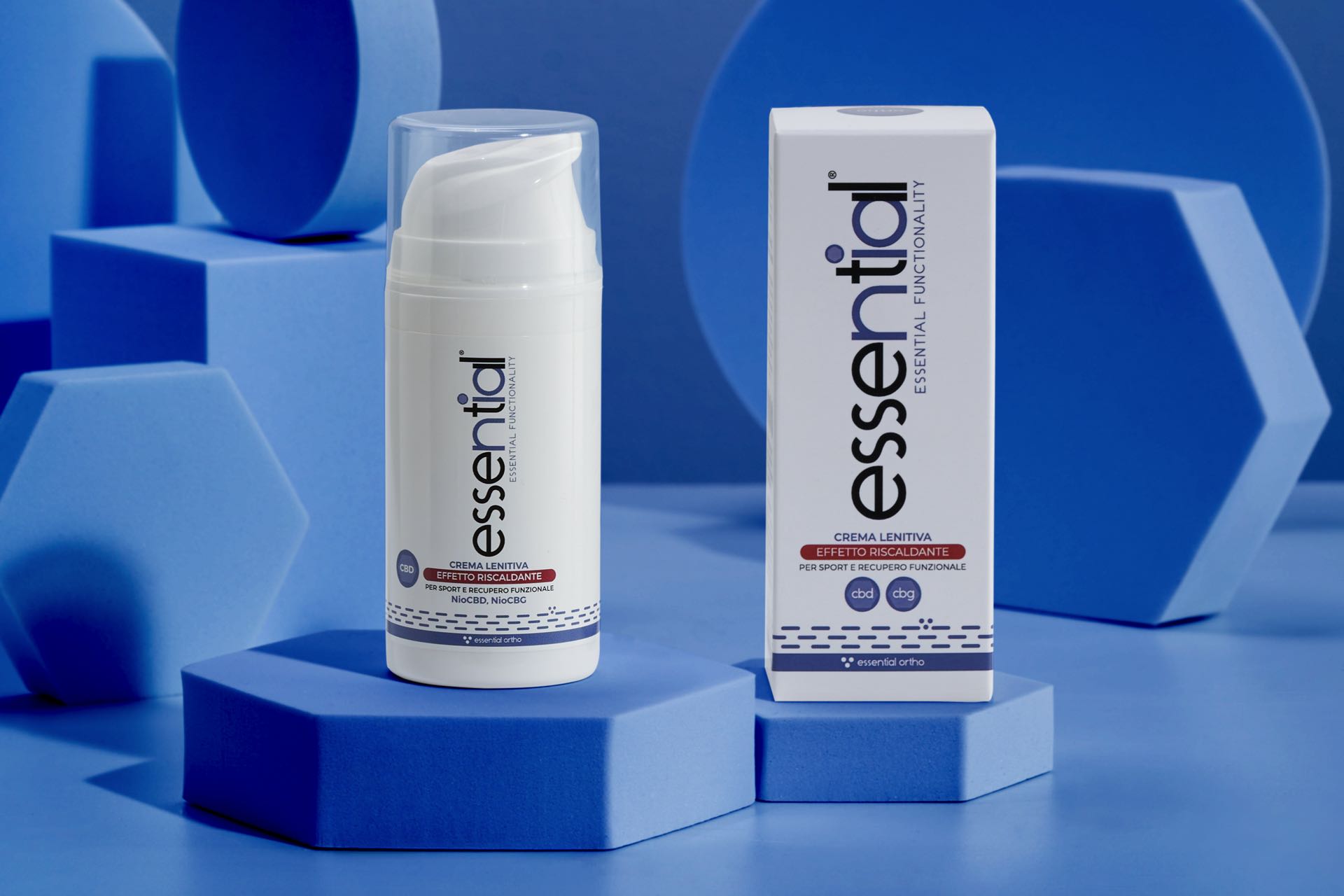
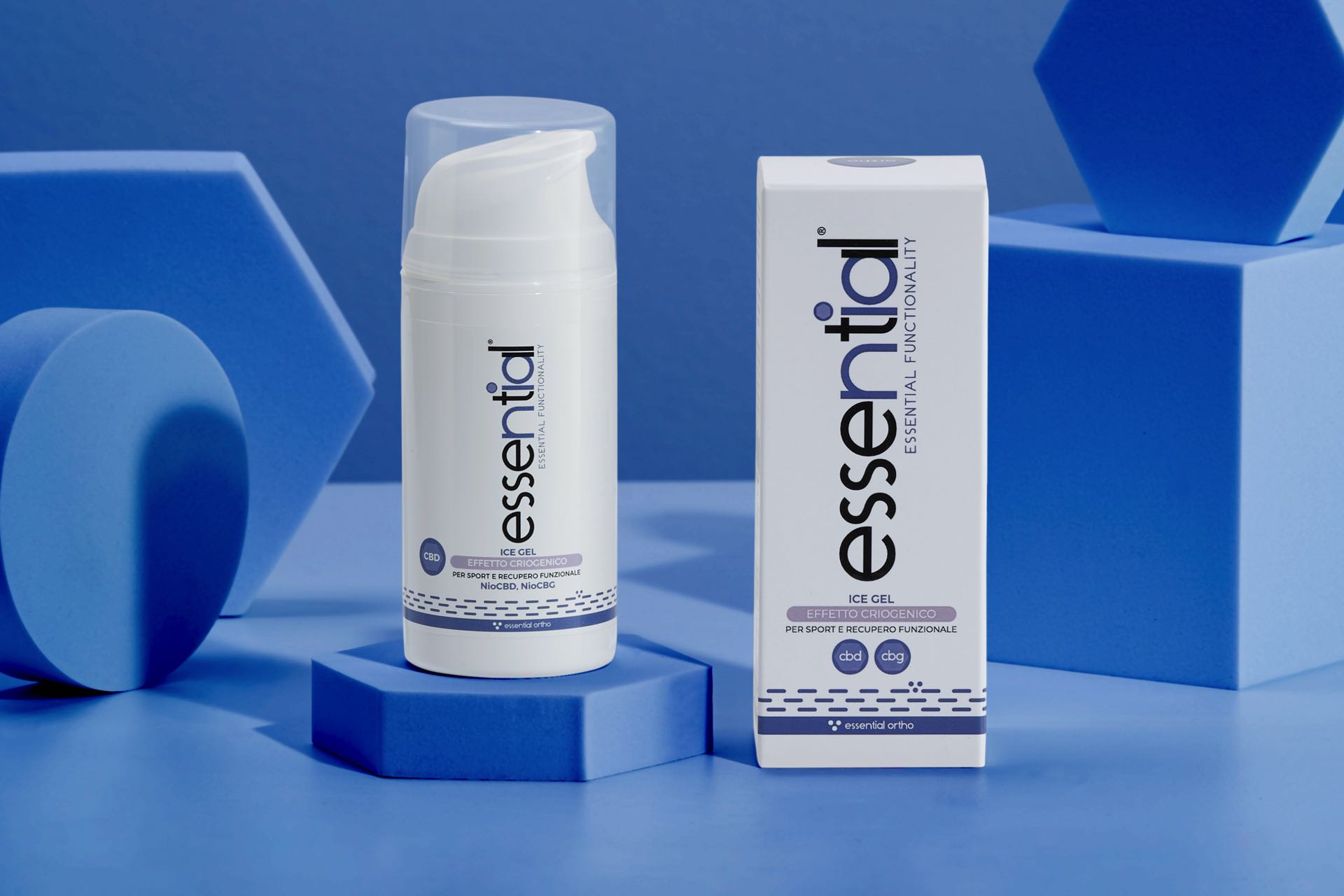
Consider self-massage. A roller or massage ball, 30-60 seconds per muscle group, help perceive tensions and release them. If you feel localized and recent discomfort, prefer cold in the first hours; for late stiffness without acute pain, relaxing heat can provide relief. Our Ortho line creams can be useful in both cases. It’s a simple gesture that completes recovery.
Recharge fluids and nutrients. Within 60-90 minutes, replenish water and salts; add a portion of protein and carbohydrates to promote muscle synthesis.
It applies here too: prevention is better than cure
Preventing muscle injuries is no mystery: it’s a sum of good habits. Enter warm and active, progress wisely, exit cooled down and truly recover. If you want a quick reference, think 10-10-10: ten minutes of specific warm-up before, ten minutes of technical work approaching loads, ten minutes between cool down, light stretching, and breathing at the end. Schedule sessions alternating areas, maintain 48 hours between two intense workouts on the same muscle group and use simple tools to stay well consistently, from self-massage to a cooling cream after the shower. Training is a marathon, not a sprint: true strength is showing up at the gym tomorrow, without unnecessary pain.
Disclaimer: Information provided at the best of our knowledge. We do not take responsibility on information provided. Essentialnio® products are not intended to diagnose or treat disease, or to substitute a physician’s consultation. The information about products is not medical advice or treatment. If side effects occur, discontinue use and consult a clinician or your pharmacist.


 Essentialnio ORTHO Cold Effect Cream Gel
1 × € 29,00
Essentialnio ORTHO Cold Effect Cream Gel
1 × € 29,00 Subtotal: € 29,00