





-
×
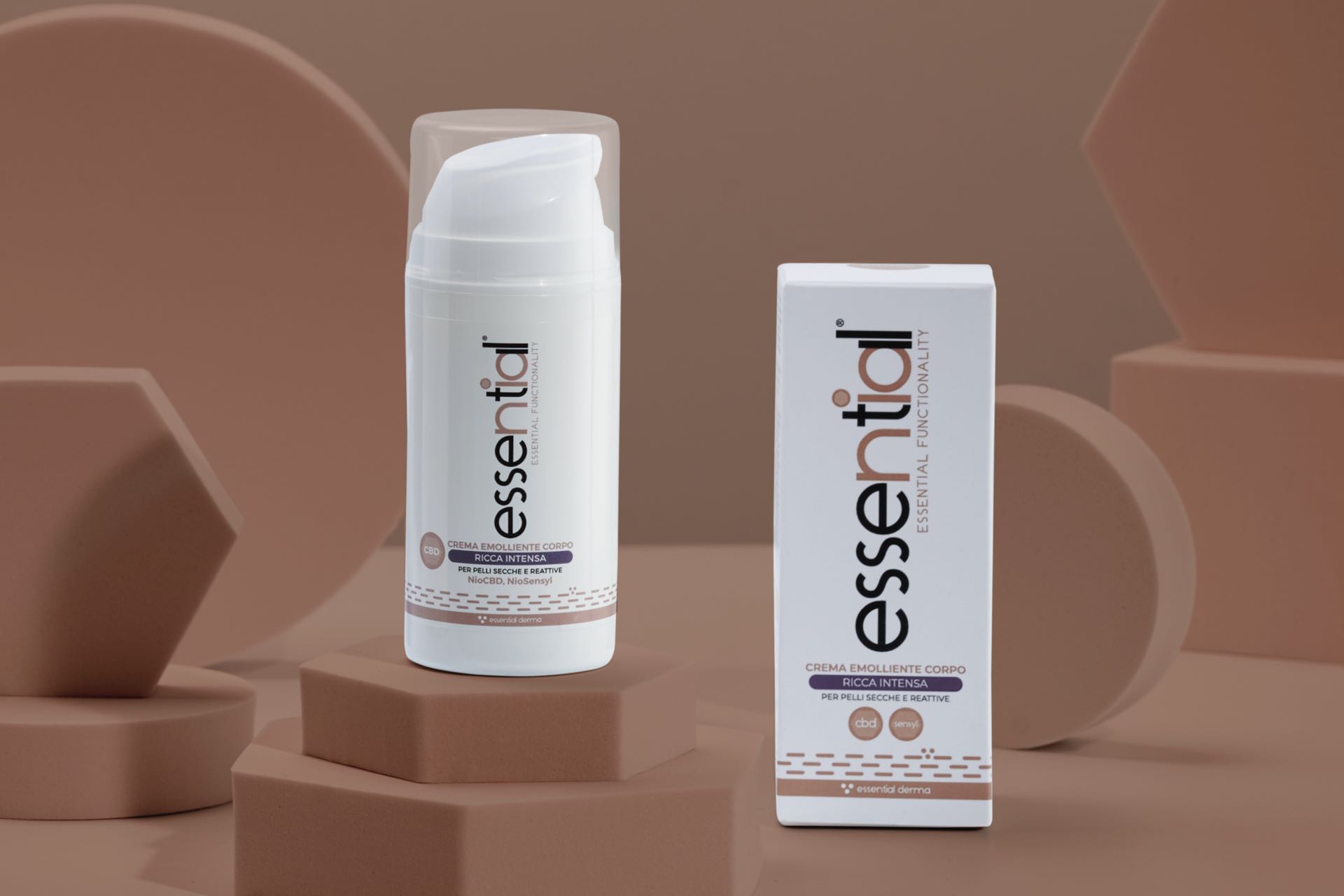
 Essentialnio DERMA Rich Body Cream
1 × € 29,50
Essentialnio DERMA Rich Body Cream
1 × € 29,50
Subtotal: € 29,50



Currently, our products are exclusively available in Italy.
We are actively working on expanding our services to offer international deliveries.
Share your contact details with us, and we will keep you updated with the latest news.
Stay tuned!

Free shipping over €39
Published on 08/07/25 Pubblicato il 08/07/25
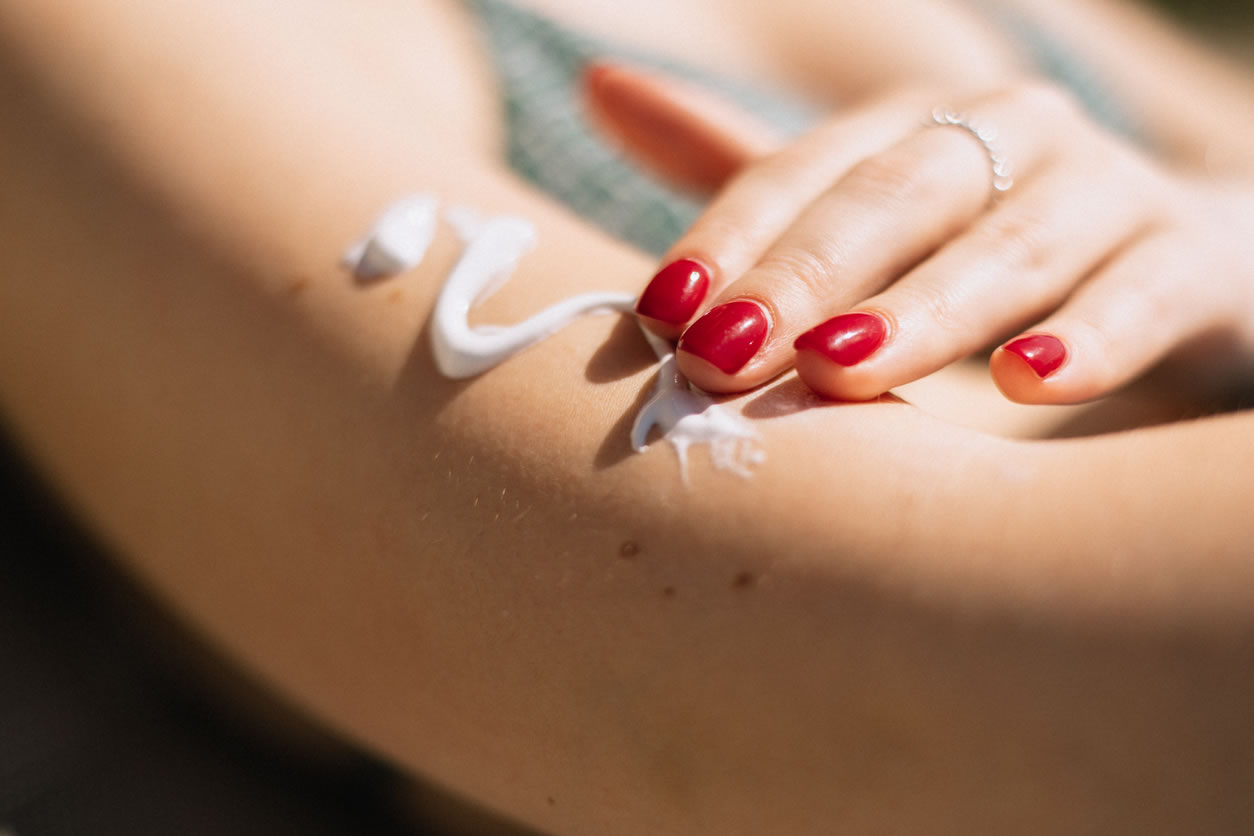
Summer is a time for sun and relaxation, but nothing ruins a holiday faster than a sunburn! Who among us hasn’t ended up red as a lobster after a day at the beach at least once?
What we commonly call a sunburn is actually a solar erythema. It’s essentially a skin burn caused by excessive sun exposure beyond individual tolerance. In practice, the sun’s ultraviolet (UV) rays attack the skin, causing an inflammatory reaction: the affected area becomes red, hot, and itchy due to increased blood flow and the release of mediators like histamine. The severity can vary greatly, from mild surface irritation to first or second-degree burns in more serious cases.
This often happens during the first days of vacation: the skin isn’t yet accustomed to the sun, has little melanin (the natural protective pigment), and thus burns more easily. Your personal phototype also matters a lot: those with very fair skin, blonde or red hair, and light eyes (phototypes I and II) tend to burn easily, while those with darker skin tan more and burn less frequently.
There are also environmental factors that increase UV exposure. In the mountains, UV rays are more intense (radiation increases with altitude), and at the sea, water and sand reflect sunlight, increasing the dose of rays hitting the skin. Sun exposure during the central hours of the day (roughly between 11 AM and 4 PM) is particularly risky because UV concentration is at its peak. Using tanning lamps or beds can also cause similar erythemas, as they are sources of artificial UV rays. Finally, be cautious with certain photosensitizing medications (such as some antibiotics or anti-inflammatories): these drugs increase the skin’s sensitivity to the sun and can promote erythema even with brief exposure.
If despite all precautions you find yourself with a solar erythema, don’t panic. There are several simple remedies accessible to everyone to relieve symptoms and help the skin heal faster. Here are some practical tips on what to do:

Disclaimer: Information provided at the best of our knowledge. We do not take responsibility on information provided. Essentialnio® products are not intended to diagnose or treat disease, or to substitute a physician’s consultation. The information about products is not medical advice or treatment. If side effects occur, discontinue use and consult a clinician or your pharmacist.


 Essentialnio DERMA Rich Body Cream
1 × € 29,50
Essentialnio DERMA Rich Body Cream
1 × € 29,50 Subtotal: € 29,50