




-
×
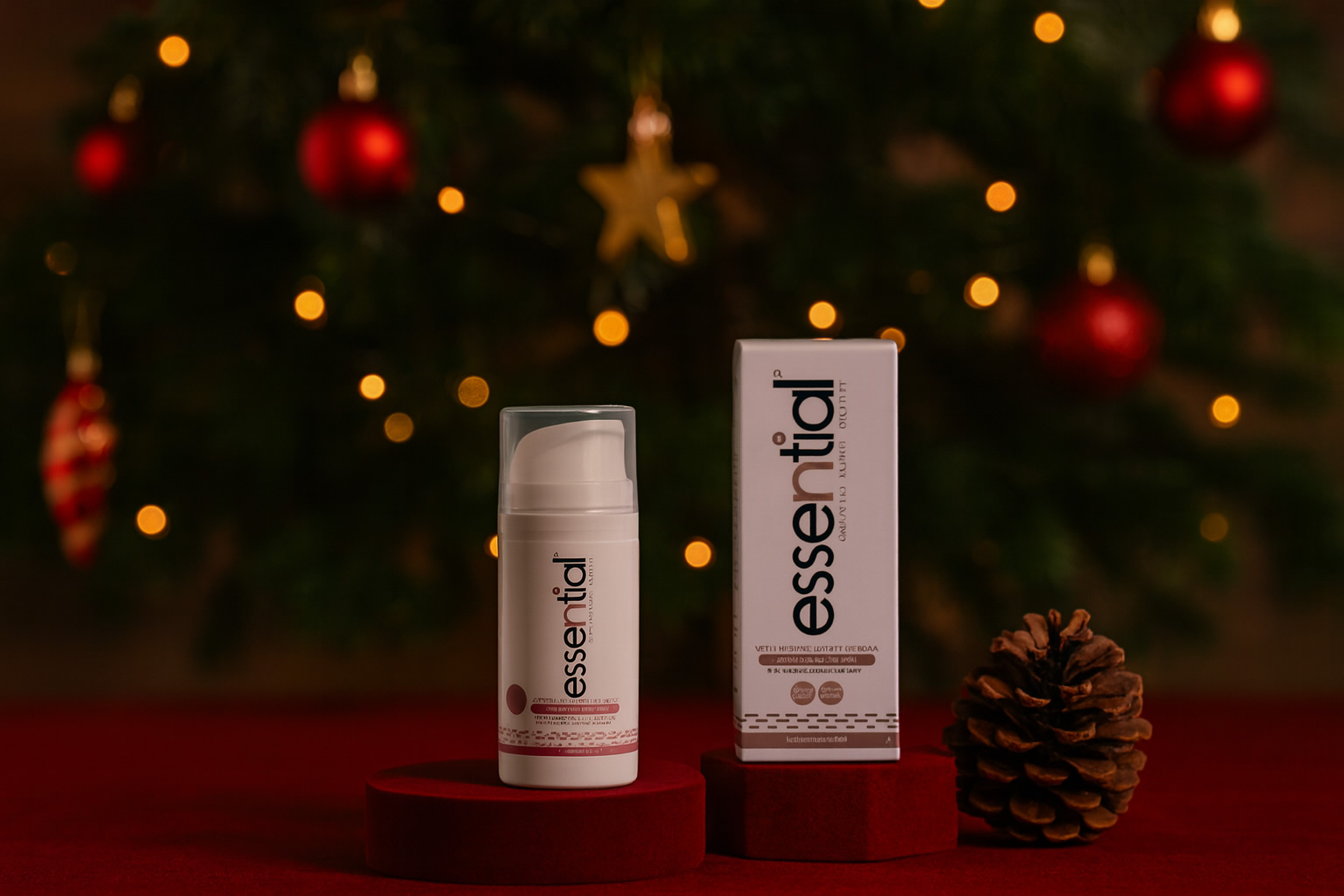
 Essentialnio ORTHO Cold Effect Cream Gel
1 × € 29,00
Essentialnio ORTHO Cold Effect Cream Gel
1 × € 29,00
Subtotal: € 29,00



Currently, our products are exclusively available in Italy.
We are actively working on expanding our services to offer international deliveries.
Share your contact details with us, and we will keep you updated with the latest news.
Stay tuned!

Free shipping over €39
Published on 21/10/25 Pubblicato il 21/10/25

How many times have you heard that you need to stretch? Maybe after a workout, first thing in the morning, or in the evening to stretch your muscles. But in recent years, another term has started to gain traction in gyms, online videos, and workout programs: joint mobility. So the question naturally arises: are stretching and mobility the same thing? And, more importantly, which one do our joints really need? Spoiler: it depends on what you’re looking for, but both play an important role in keeping a strong, fluid, and healthy body.
Stretching is the classic muscle lengthening exercise, and its main goal is to reduce tension and maintain or improve flexibility.
There are different types:
Stretching helps to relax the muscles, improve posture, and reduce the feeling of stiffness, especially after a day spent sitting or standing for too long. However, stretching alone is not always enough to keep joints healthy and functional: a deeper work is needed, involving motor control and strength.
Joint mobility is the ability of our joints to move in a complete, fluid, and controlled way. It’s not just about “stretching,” but about actively training the muscles, tendons, and structures that stabilize the joints.
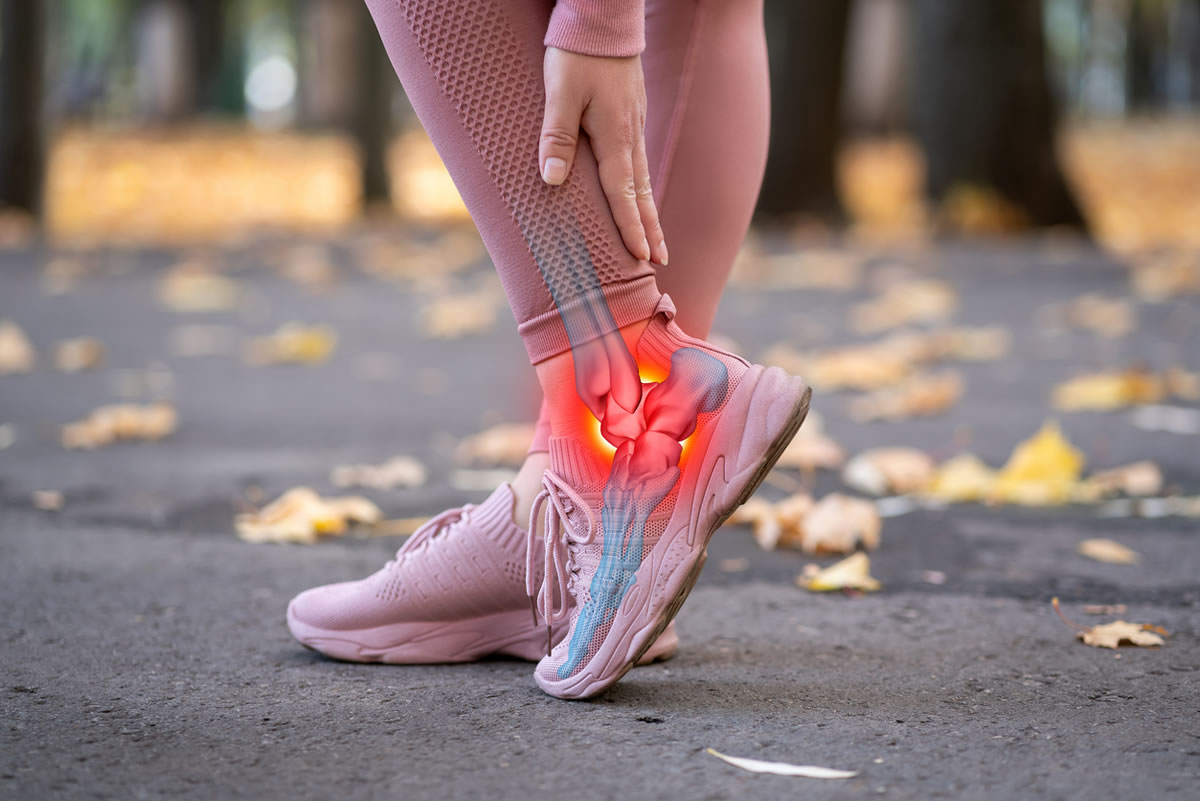
A practical example? Imagine making a circle with your shoulders or performing a deep squat: in both cases, you’re not just “stretching,” but moving the joint through its entire range of motion. This work improves joint lubrication, strengthens tissues, and keeps the body more resilient over time. Training mobility also helps to prevent injuries, because a mobile joint is more ready to adapt to unexpected movements, like a misstep or sudden load.
There’s no competition between the two, but a collaboration. Stretching is useful for relaxing and lengthening muscles, while mobility is for training and stabilizing joints within their range of motion. The former improves passive flexibility, the latter active flexibility.
In practice:
A small daily ritual can make a difference: five minutes of mobility exercises in the morning and some stretching in the evening are great for the joints.
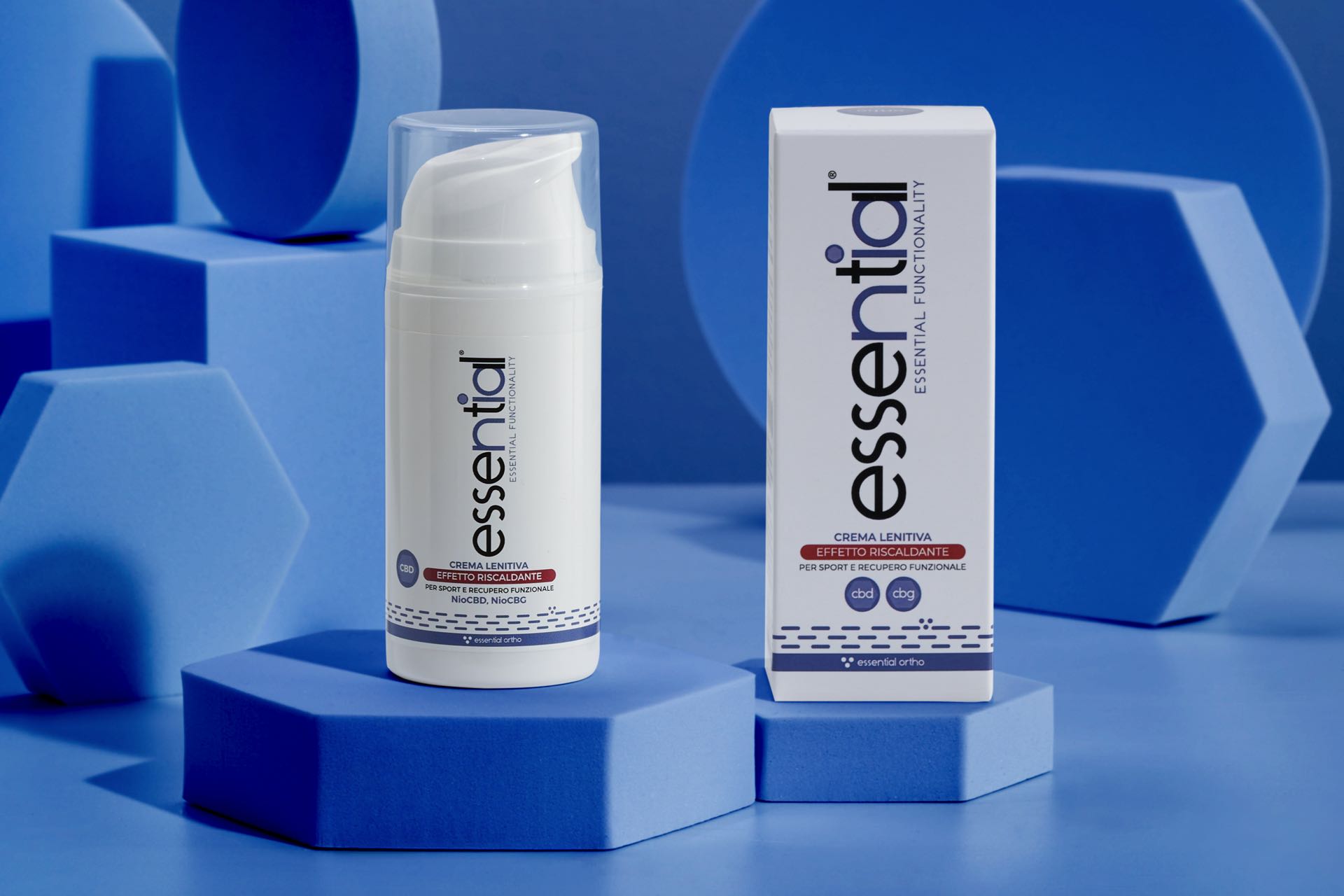
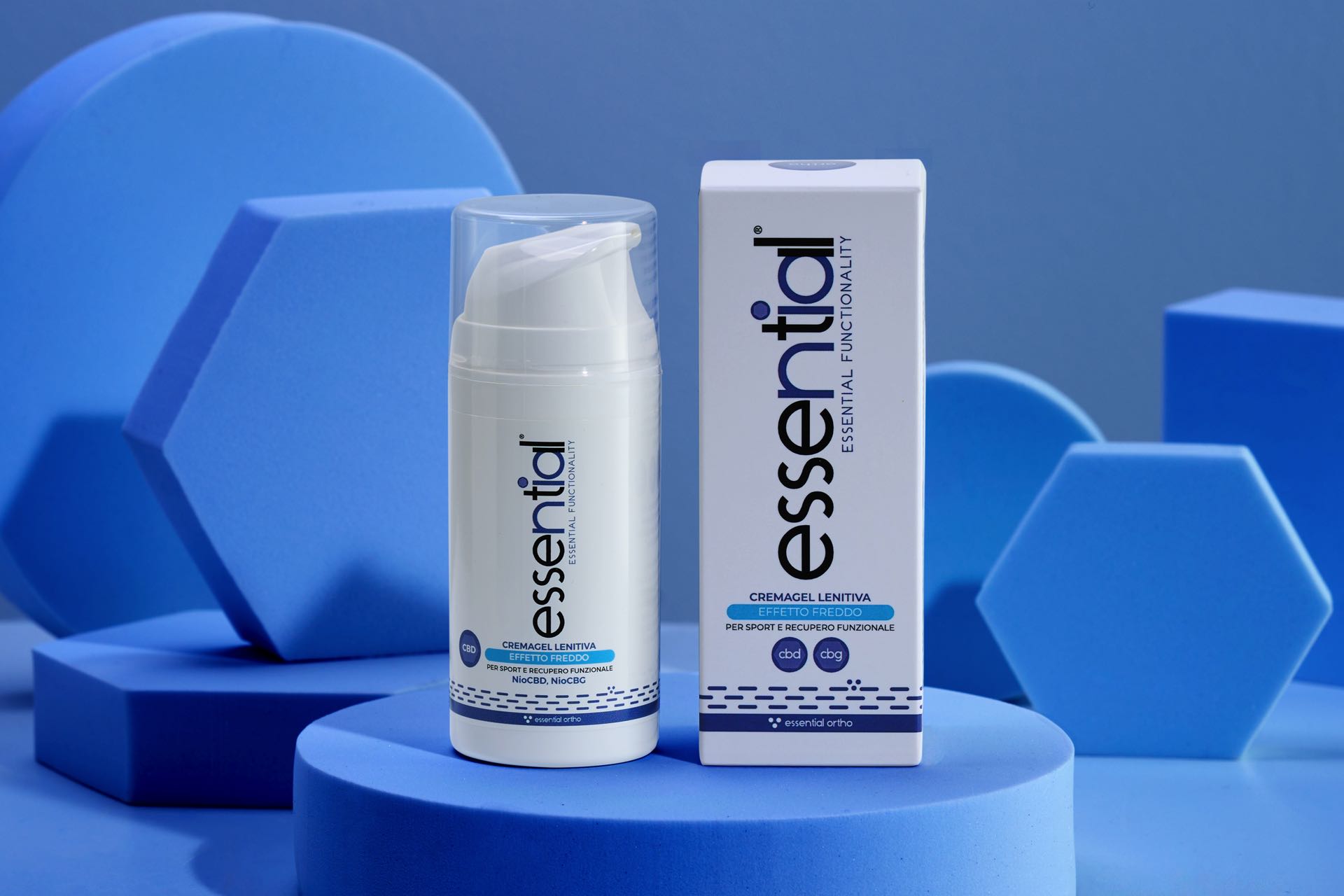
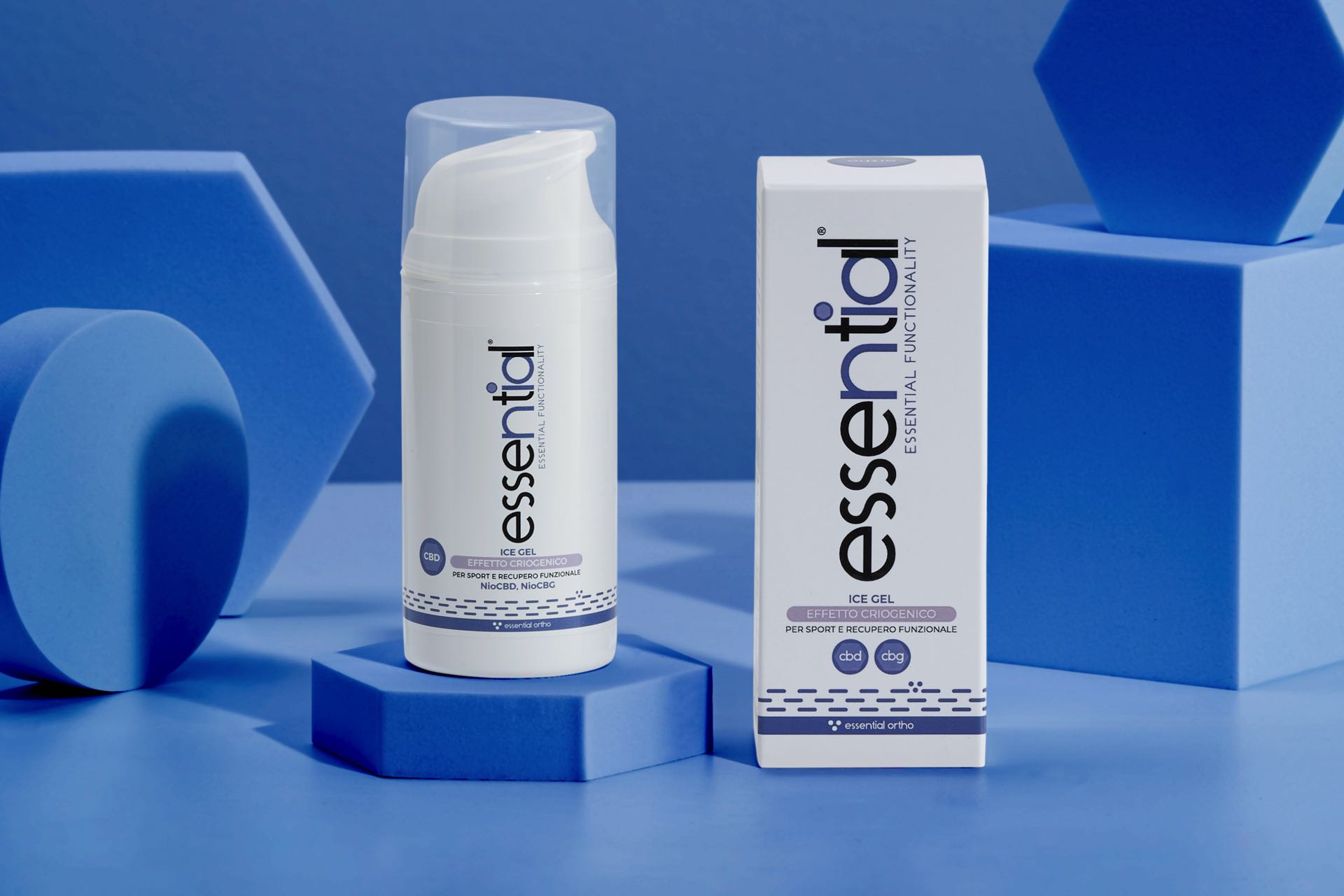
However, joints don’t just need movement. Inflammation, oxidative stress, and tissue quality also play a crucial role in their well-being. For this reason, in addition to physical activity, it can be useful to support them with products that promote joint function and muscle recovery. Check out the Essentialnio ORTHO line to learn more: a small daily gesture to prevent stiffness and inflammation and keep the body ready for movement.

Disclaimer: Information provided at the best of our knowledge. We do not take responsibility on information provided. Essentialnio® products are not intended to diagnose or treat disease, or to substitute a physician’s consultation. The information about products is not medical advice or treatment. If side effects occur, discontinue use and consult a clinician or your pharmacist.


 Essentialnio ORTHO Cold Effect Cream Gel
1 × € 29,00
Essentialnio ORTHO Cold Effect Cream Gel
1 × € 29,00 Subtotal: € 29,00