


-
×
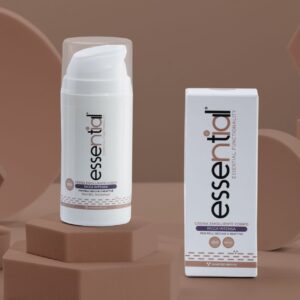 Essentialnio DERMA Rich Body Cream
1 × € 29,50
Essentialnio DERMA Rich Body Cream
1 × € 29,50 -
×
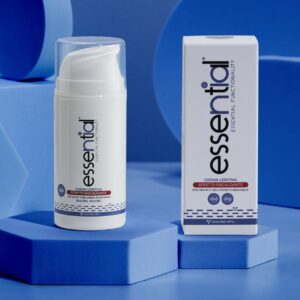 Essentialnio ORTHO Soothing Cream
1 × € 29,00
Essentialnio ORTHO Soothing Cream
1 × € 29,00
Subtotal: € 58,50



Currently, our products are exclusively available in Italy.
We are actively working on expanding our services to offer international deliveries.
Share your contact details with us, and we will keep you updated with the latest news.
Stay tuned!

Free shipping over €39
Published on 22/06/25 Pubblicato il 22/06/25
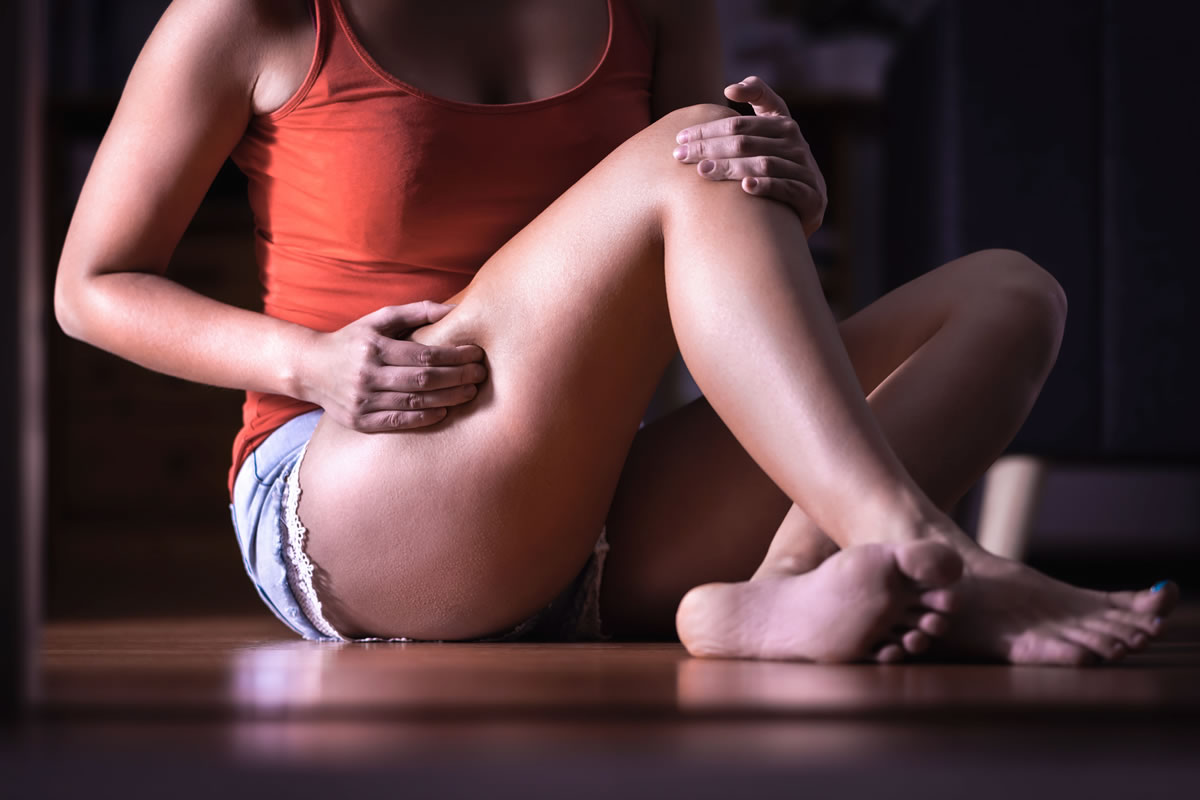
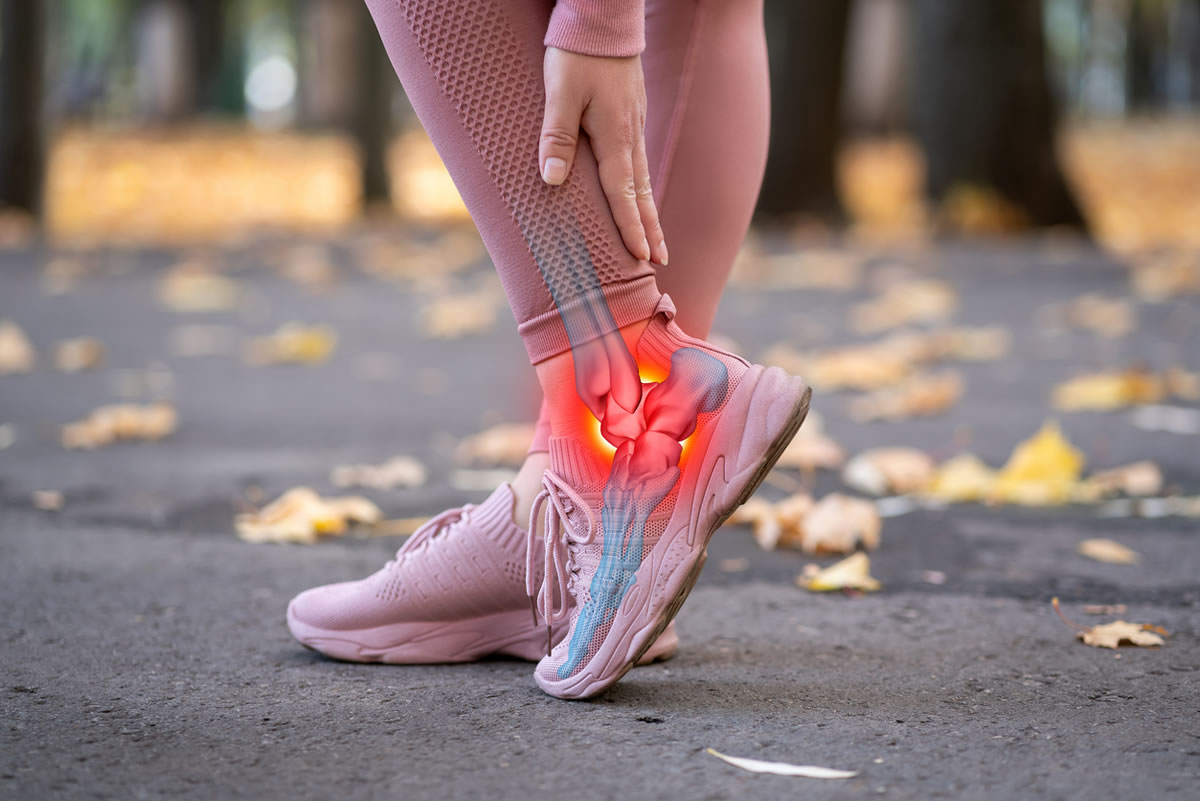
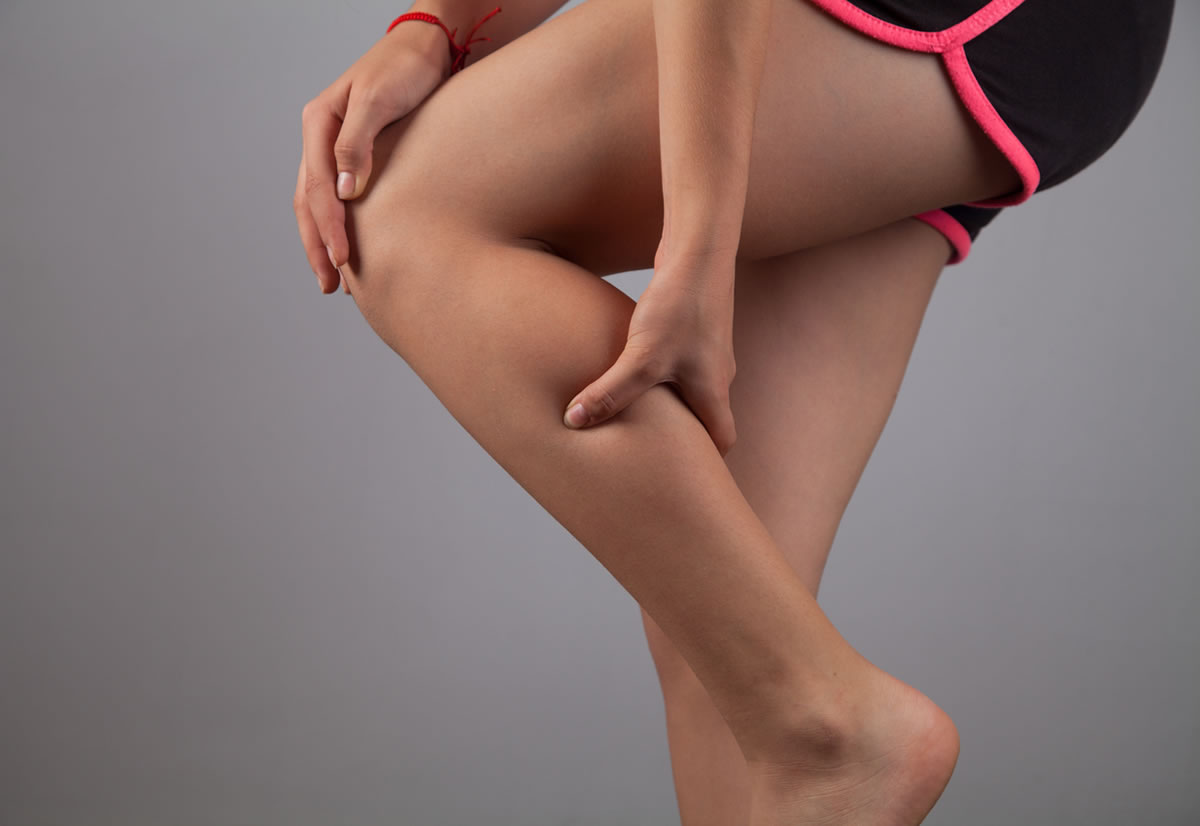
The feeling of swollen, tired, or “lead-like” legs is a common discomfort, especially after a day spent standing, at the computer, or in hot conditions. This condition is often due to slowed venous or lymphatic return, causing fluid accumulation in the lower limbs’ tissues. Main causes include a sedentary lifestyle, static postures, unsuitable footwear, dietary imbalances, and high temperatures. But the good news is that small daily actions can make a big difference.
All you need is a bit of willpower and to open YouTube to find dozens of video tutorials on exercises that can help you boost leg circulation. Just a few minutes a day can stimulate microcirculation, promote fluid drainage, and lighten the legs. Here are some tips on easy and effective exercises to do at home.
“Legs up the wall” (or inverted position)
Lie on your back next to a wall, lift your legs, and rest them straight against the wall. Hold the position for 2 minutes, breathing slowly. This posture uses gravity to facilitate venous return, reducing swelling in ankles and calves.
Air cycling
Lying on your back, lift your legs and mimic the pedaling motion. Alternate 30 seconds of movement with 15 seconds of rest for three cycles. This exercise activates the deep muscles of the legs, stimulating the calf’s “muscle pump,” essential for blood return to the heart.
Plantar flexions
While sitting or lying down, alternate flexing and extending your foot (pointing down and then up) for 30 repetitions. This simple movement enhances venous activity by stimulating the ankle, a “critical point” of peripheral microcirculation.
Marching in place
Walk in place, lifting your knees well, for 2-3 minutes. Ideal during work breaks, this exercise helps prevent venous stasis associated with prolonged sitting.
Alternatively, even a 20-minute walk at a moderate pace, preferably outdoors, is one of the most effective remedies. It’s important to maintain good posture (straight back, heel touching the ground first) to optimize the calf’s “pump” effect. Including even just one of these exercises in your evening routine can make a difference in just a few days.
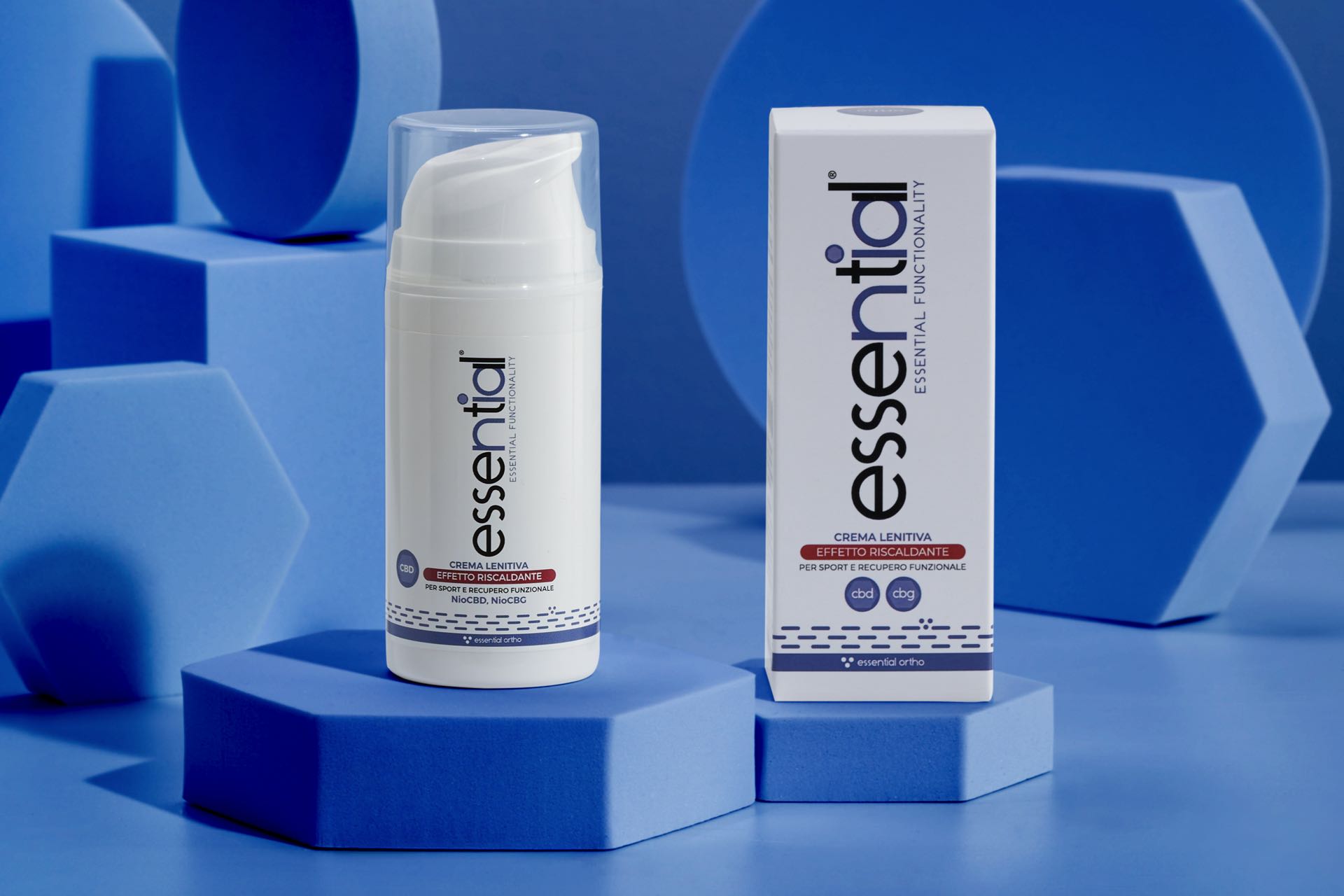
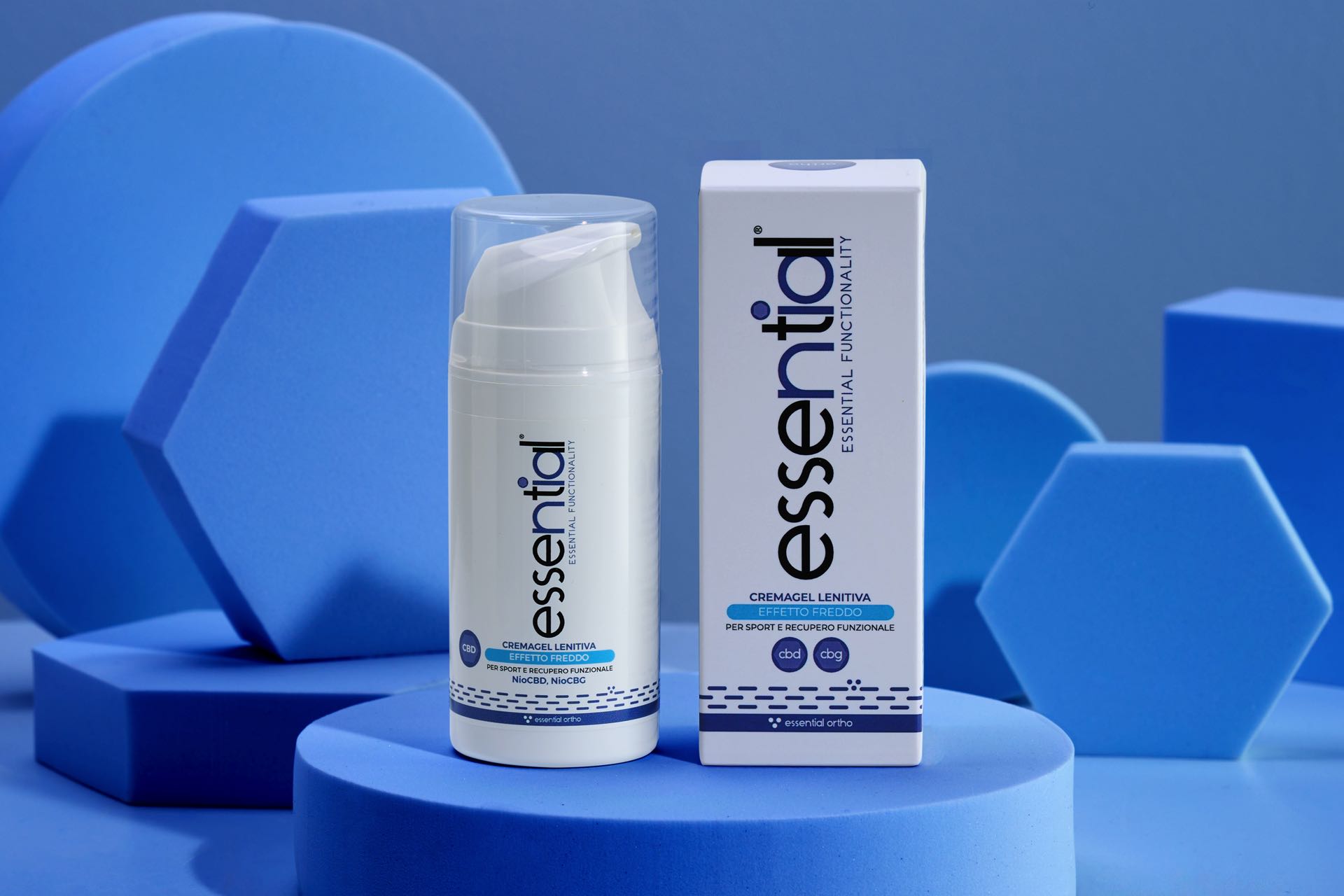
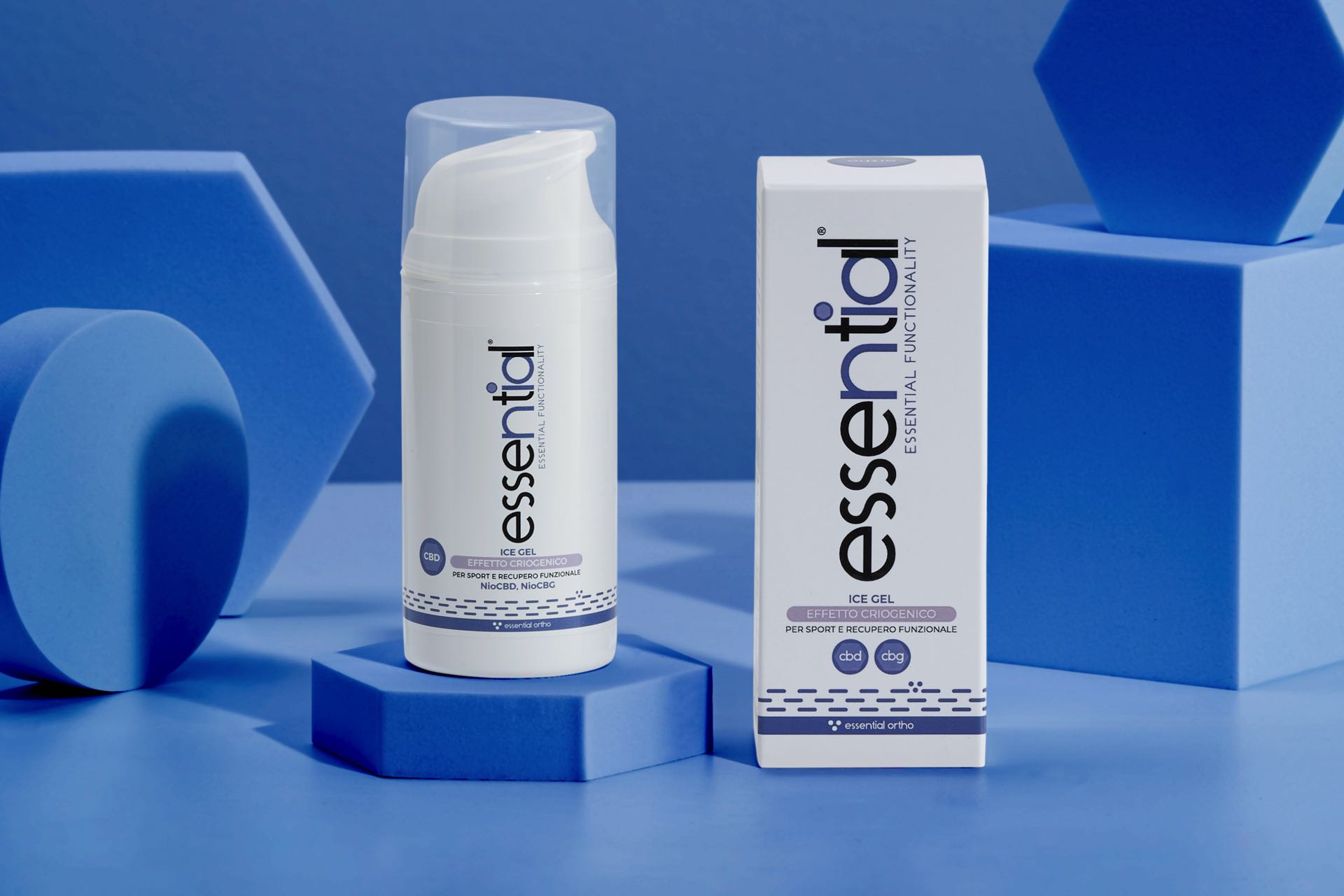
Additional support can come from the topical application of specific creams. Our ORTHO formulations can help you a lot. After a heavy day, the Ortho cooling effect – with menthol, arnica, and CBD – is designed to stimulate vasoconstriction and reactivate superficial microcirculation. Applied with circular movements from bottom to top, especially on ankles and calves, it offers an immediate sense of relief and freshness. It’s ideal to use it in the evening, perhaps after a warm shower, to promote muscle relaxation.
Lifestyle deeply affects the health of the venous system, and diet plays a central role in preventing water retention. Maintaining a good level of hydration is essential: drinking at least one and a half to two liters of water a day helps eliminate toxins and counteract fluid accumulation. This is complemented by the importance of a diet rich in foods that promote natural drainage, such as fruits and vegetables containing potassium. Ingredients like bananas, spinach, and avocados help balance excess sodium and stimulate diuresis.
Foods high in water content, like cucumbers, watermelon, pineapple, and fennel, are particularly recommended to keep the body hydrated and support microcirculation. Some spices and roots, like turmeric, ginger, and cinnamon, also offer additional benefits: their anti-inflammatory and toning properties improve vascular function and stimulate circulation. Conversely, it’s advisable to drastically reduce the consumption of table salt, which is responsible for retaining fluids in tissues and worsening the sensation of swelling.
Disclaimer: Information provided at the best of our knowledge. We do not take responsibility on information provided. Essentialnio® products are not intended to diagnose or treat disease, or to substitute a physician’s consultation. The information about products is not medical advice or treatment. If side effects occur, discontinue use and consult a clinician or your pharmacist.


 Essentialnio DERMA Rich Body Cream
1 × € 29,50 Essentialnio ORTHO Soothing Cream
1 × € 29,00
Essentialnio DERMA Rich Body Cream
1 × € 29,50 Essentialnio ORTHO Soothing Cream
1 × € 29,00 Subtotal: € 58,50