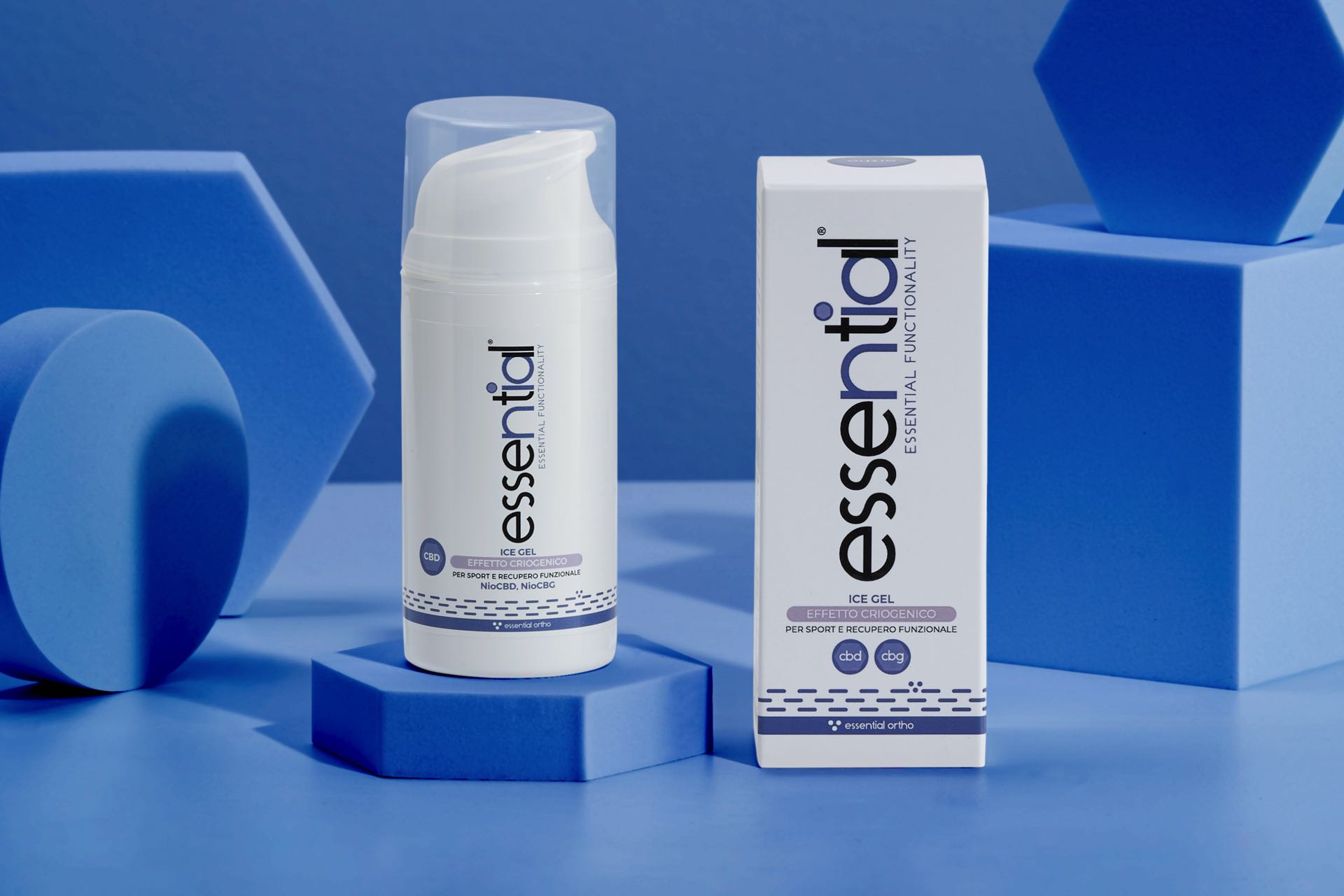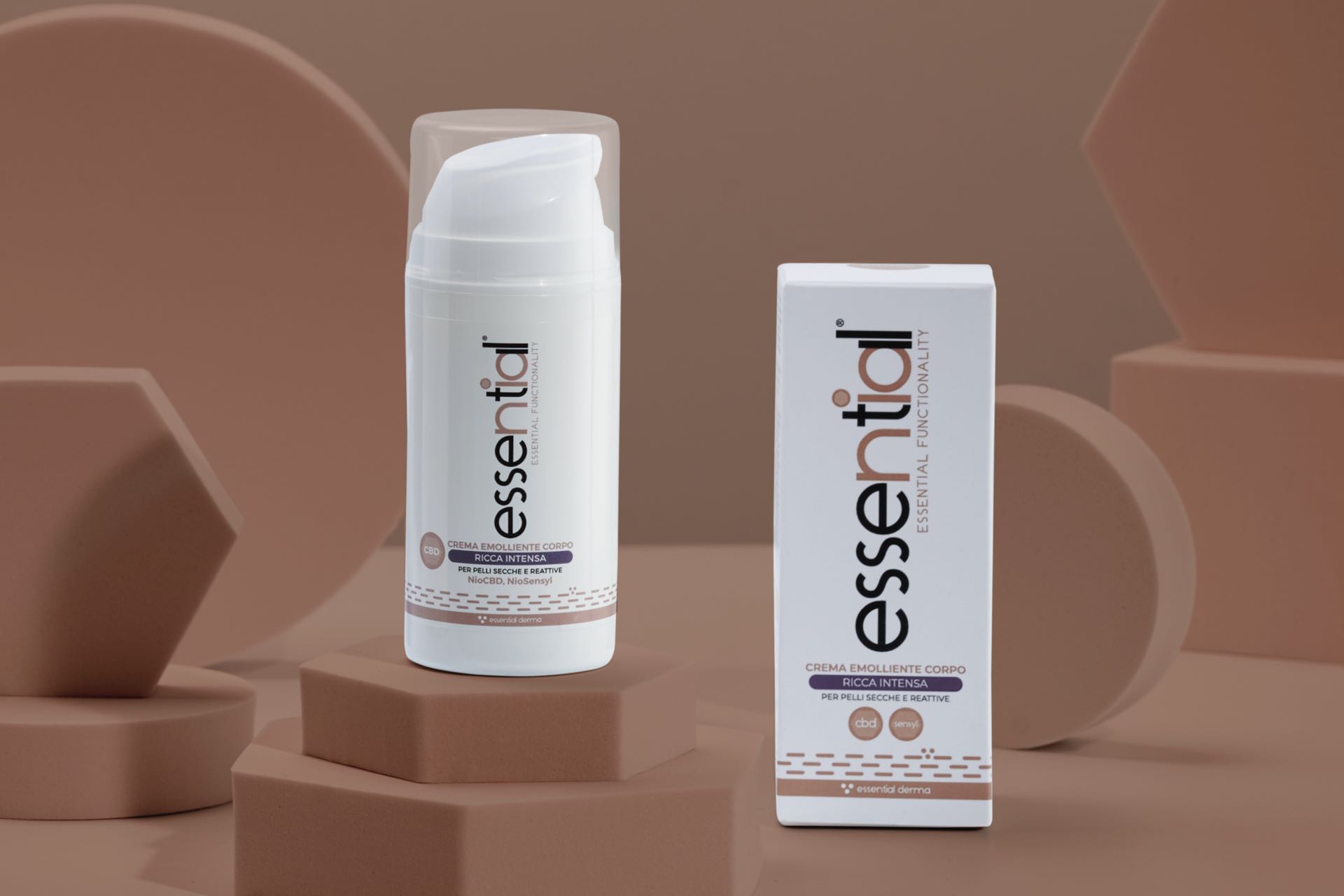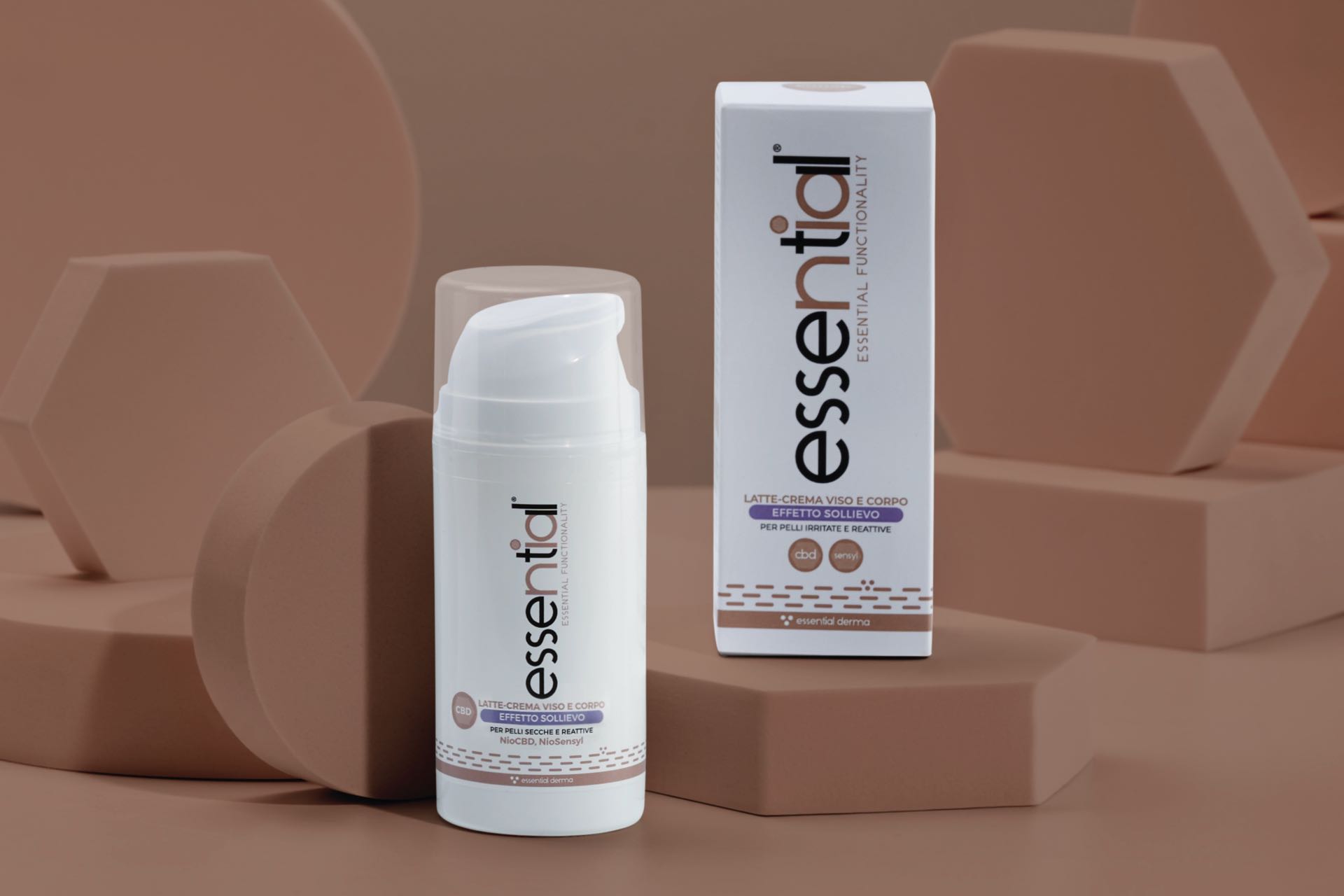


Currently, our products are exclusively available in Italy.
We are actively working on expanding our services to offer international deliveries.
Share your contact details with us, and we will keep you updated with the latest news.
Stay tuned!

Free shipping over €39
Published on 30/04/25 Pubblicato il 30/04/25
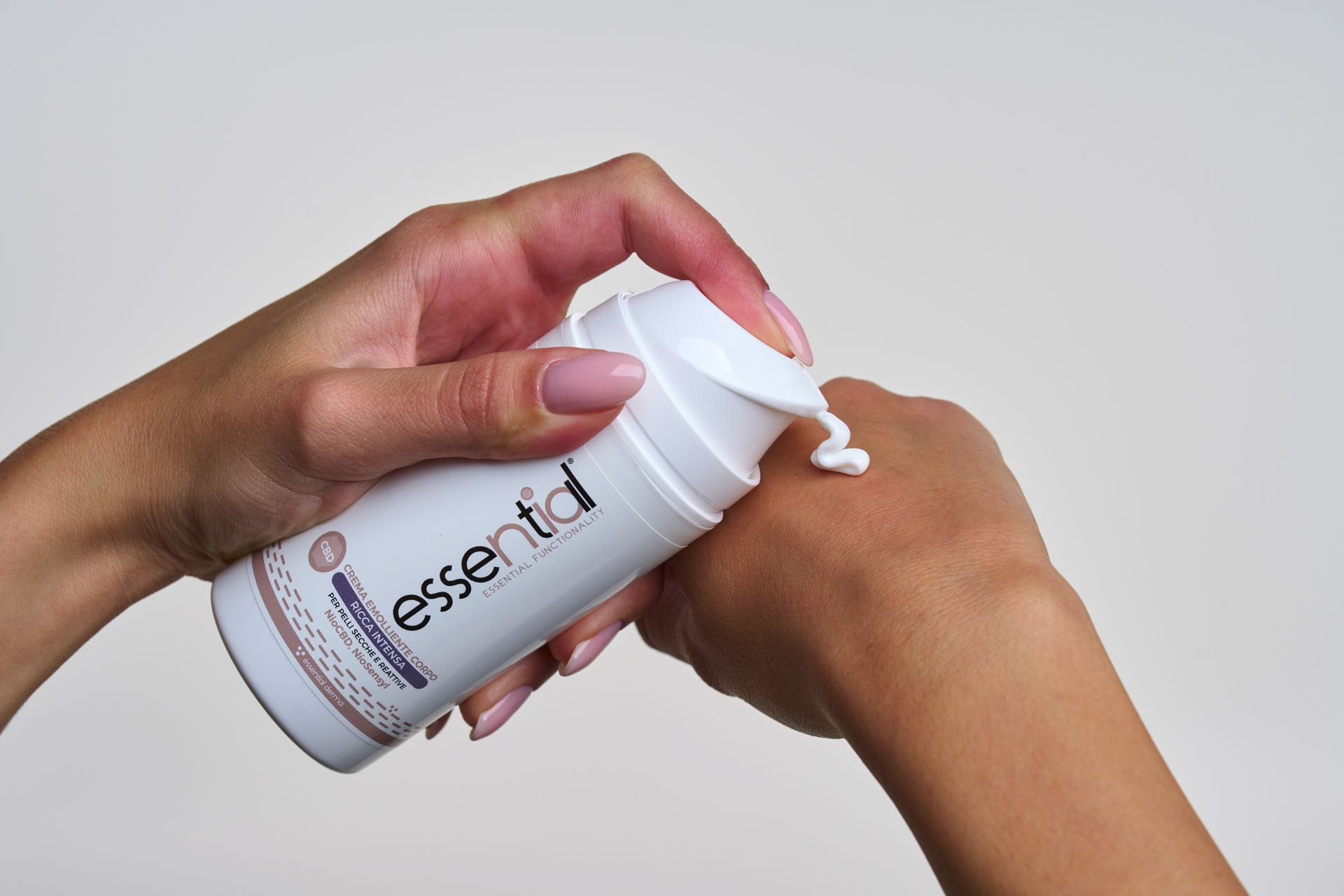
How do our creams deliver active ingredients to the deeper layers of the skin? The secret might seem inspired by a sci-fi movie: tiny microscopic bubbles that transport active ingredients directly to the right cells. In reality, this technology truly exists and has a name: we’re talking about niosomes.
Imagine it as a tiny balloon, with an outer surface that loves water while the inside loves fats. Essentially, it functions as a micro-container that can enclose various active ingredients and transport them through the skin to their destination.
In more technical terms, niosomes are vesicles – small hollow spheres – made of non-ionic surfactants. These molecules self-assemble to form a bilayer membrane, very similar to that of a liposome or even our cells: the hydrophilic heads face outward, in contact with water, while the hydrophobic tails cluster inside. Thanks to this structure, a niosome can trap both water-soluble and fat-soluble substances, such as CBD.
A historical curiosity: niosomes are not a very recent invention. The first niosomes were patented in 1975 by researchers for cosmetic applications. Since then, numerous scientific studies have explored the potential of these microspheres in various fields, from pharmaceuticals to cosmetics, and even food, confirming their unique capabilities. Today, thanks to these advancements, niosomes have become the core of cutting-edge cosmetic formulations like those of Essentialnio.
But, practically speaking, why did we choose to use niosomes in our formulations? We have at least four good reasons to do so!

Disclaimer: Information provided at the best of our knowledge. We do not take responsibility on information provided. Essentialnio® products are not intended to diagnose or treat disease, or to substitute a physician’s consultation. The information about products is not medical advice or treatment. If side effects occur, discontinue use and consult a clinician or your pharmacist.