

Currently, our products are exclusively available in Italy.
We are actively working on expanding our services to offer international deliveries.
Share your contact details with us, and we will keep you updated with the latest news.
Stay tuned!

Free shipping over €39
Published on 08/01/26 Pubblicato il 08/01/26

After a few weeks off, your body may react to exercise differently than it used to. Feeling your muscles work is normal. But being completely exhausted is not a sign that the workout was effective, and pushing for that feeling can do more harm than good.
Plan your sessions sensibly: keep them fairly short, at a moderate intensity, with enough time to recover in between. Don’t increase weight, distance and number of sessions all at once. Change just one thing at a time.
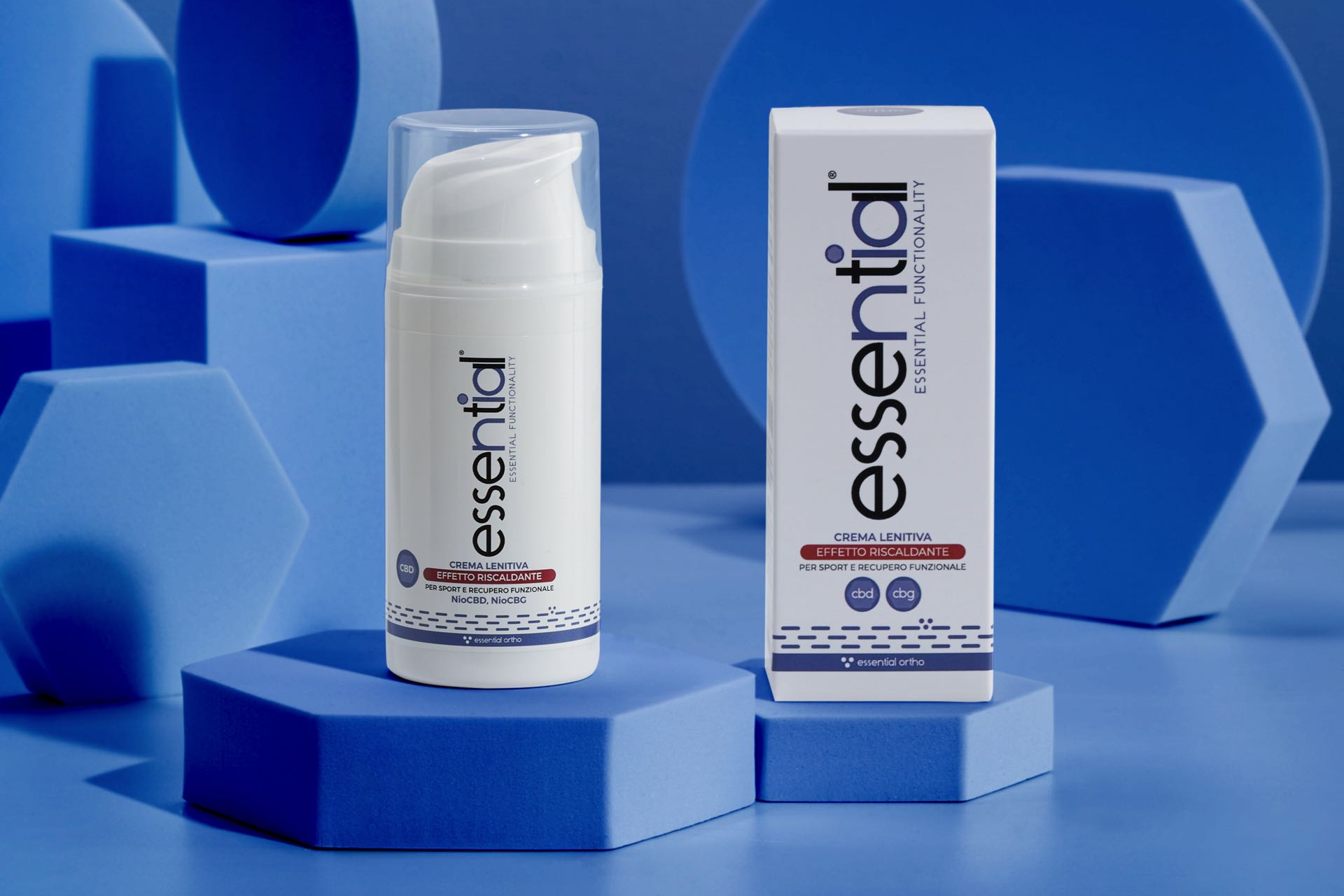
A balanced session has three parts: a gradual warm-up of 5 to 10 minutes, a main part that suits your current fitness, and a cool-down at the end. Remember that a real warm-up comes from moving gradually. Rubbing on warming creams or gels doesn’t do the job.
DOMS (delayed onset muscle soreness) is the stiffness and aching that often shows up 24 to 48 hours after exercise your body isn’t used to. It usually goes away on its own.
Sharp, sudden pain, obvious swelling or a joint that’s hard to move are different. If you notice any of these, stop exercising straight away and get checked by a doctor or specialist. Continuing to work an injured area slows down healing.
Good sleep, drinking enough water, a balanced diet and sensible planning of your workouts are what matter most for recovery. A gentle walk in the days after exercise can help your muscles loosen up.
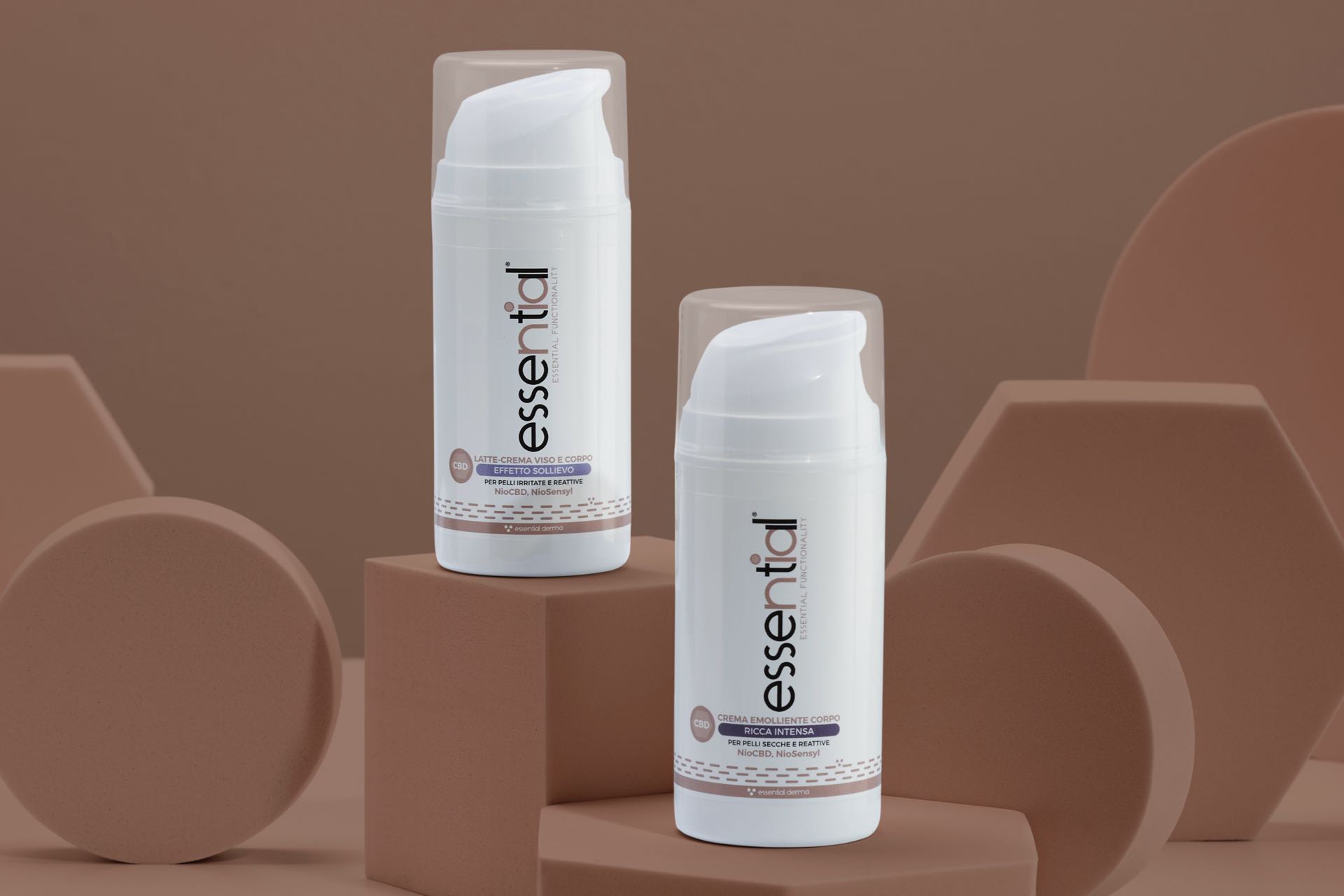
Looking after your skin after a shower can be part of this too. A light self-massage with a product you enjoy can leave your skin feeling comfortable.
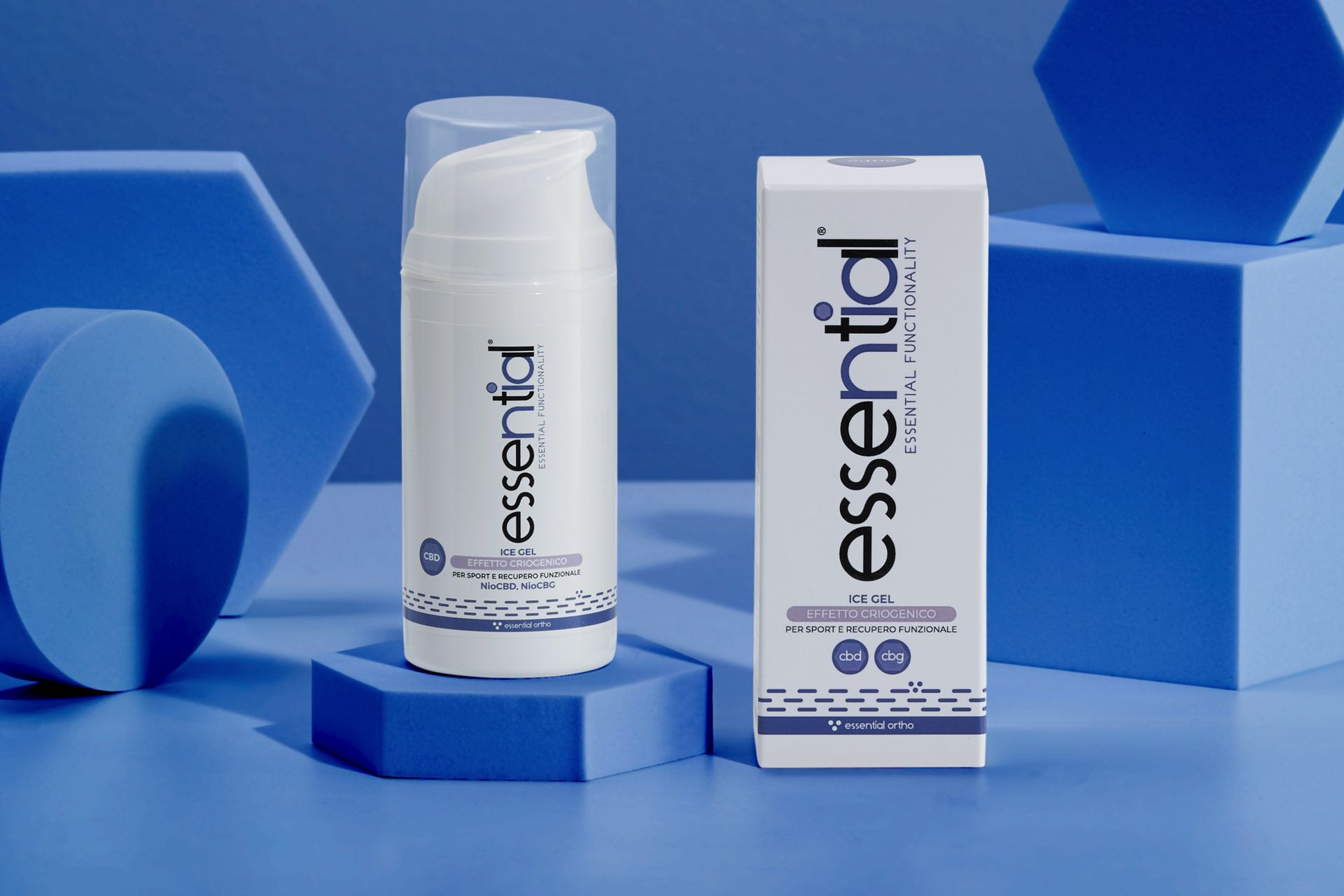
The Essentialnio ORTHO range includes an Ice-Gel with a cooling effect, designed to give your skin an instant fresh feeling. This cosmetic product does not replace applying ice as first aid after an injury, and it is not a substitute for a personalised recovery plan.
Paying attention to how your body responds during exercise and in the hours afterwards helps you plan your next session wisely, so you can keep moving in the months ahead.
Disclaimer: Information provided at the best of our knowledge. We do not take responsibility on information provided. Essentialnio® products are not intended to diagnose or treat disease, or to substitute a physician’s consultation. The information about products is not medical advice or treatment. If side effects occur, discontinue use and consult a clinician or your pharmacist.