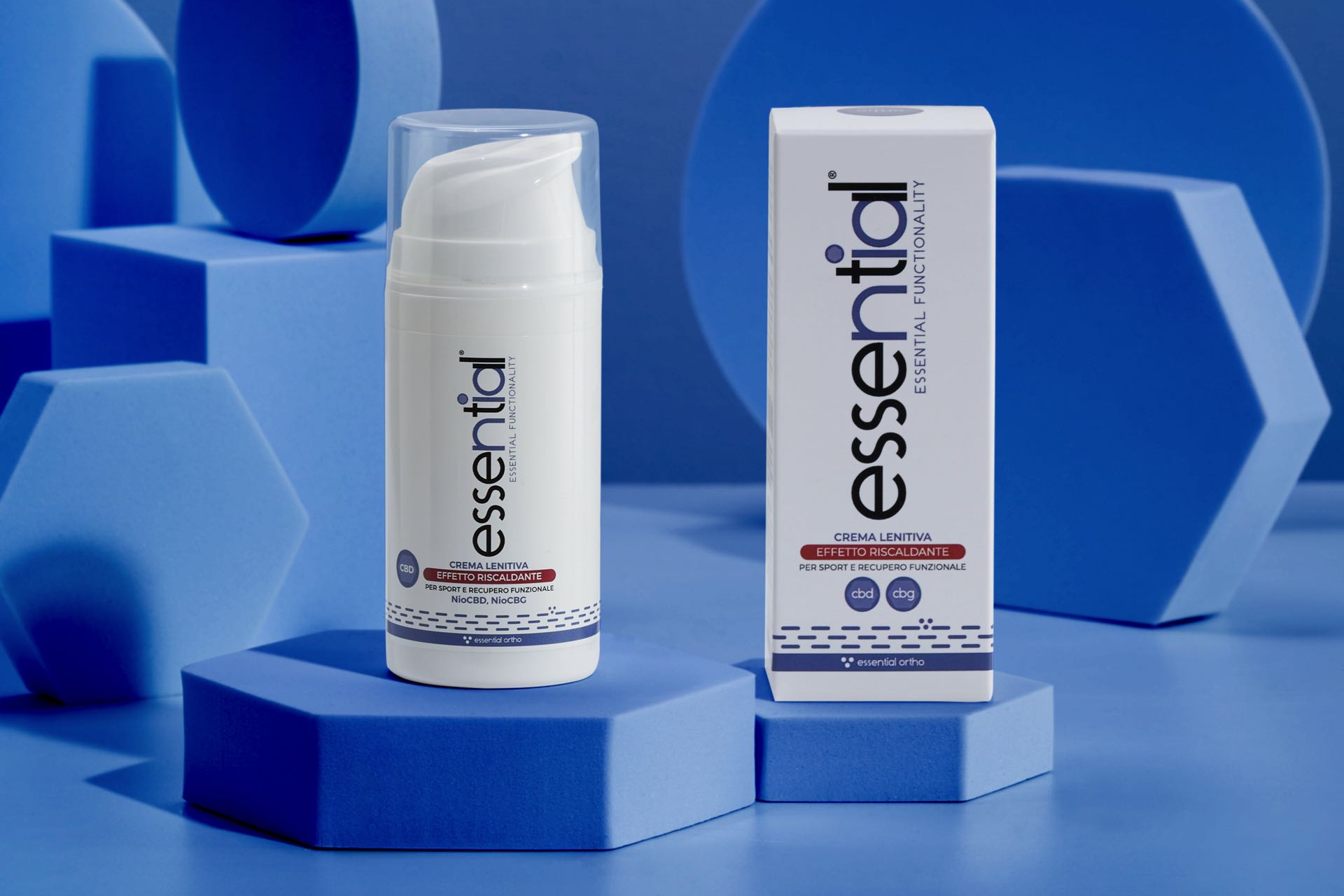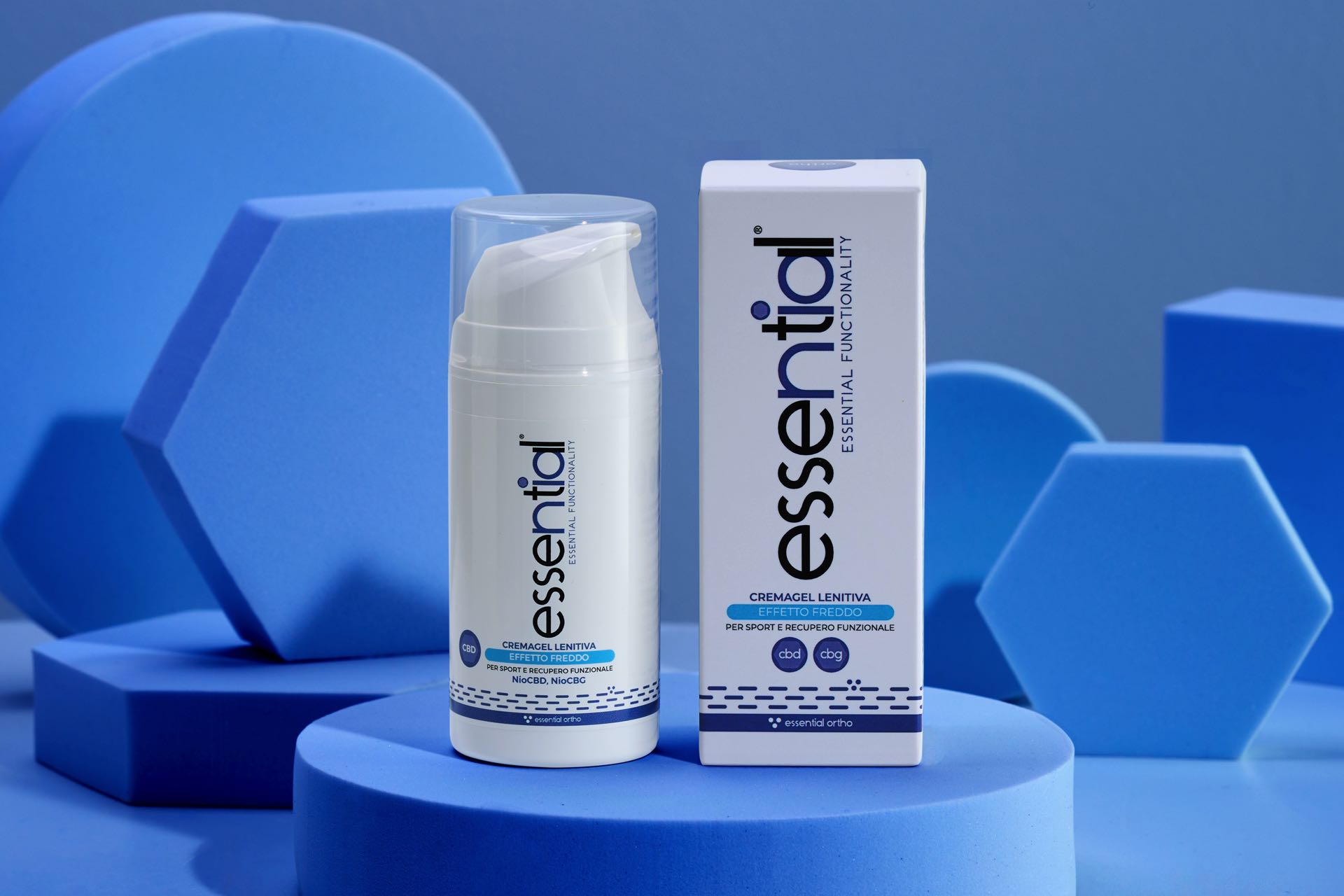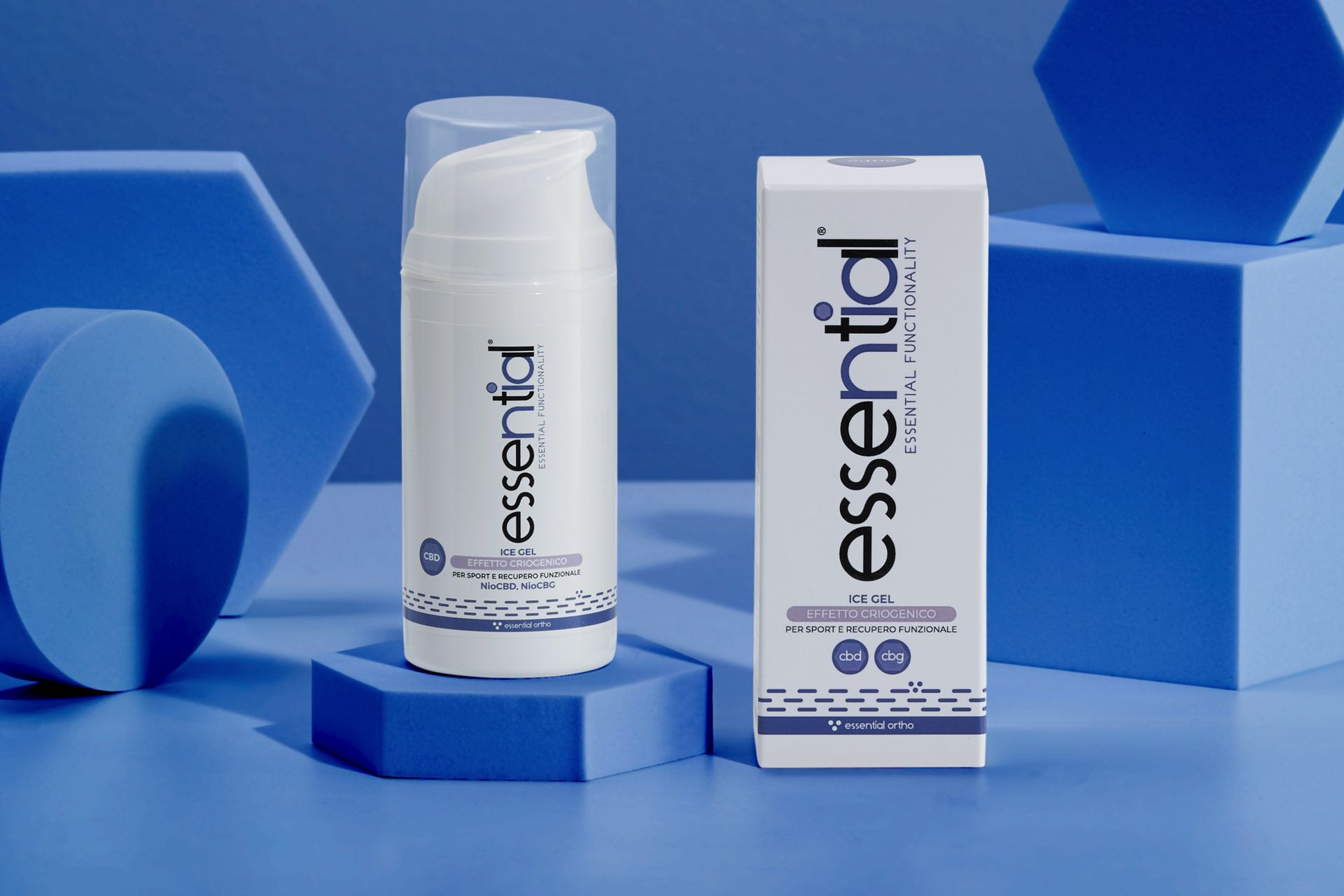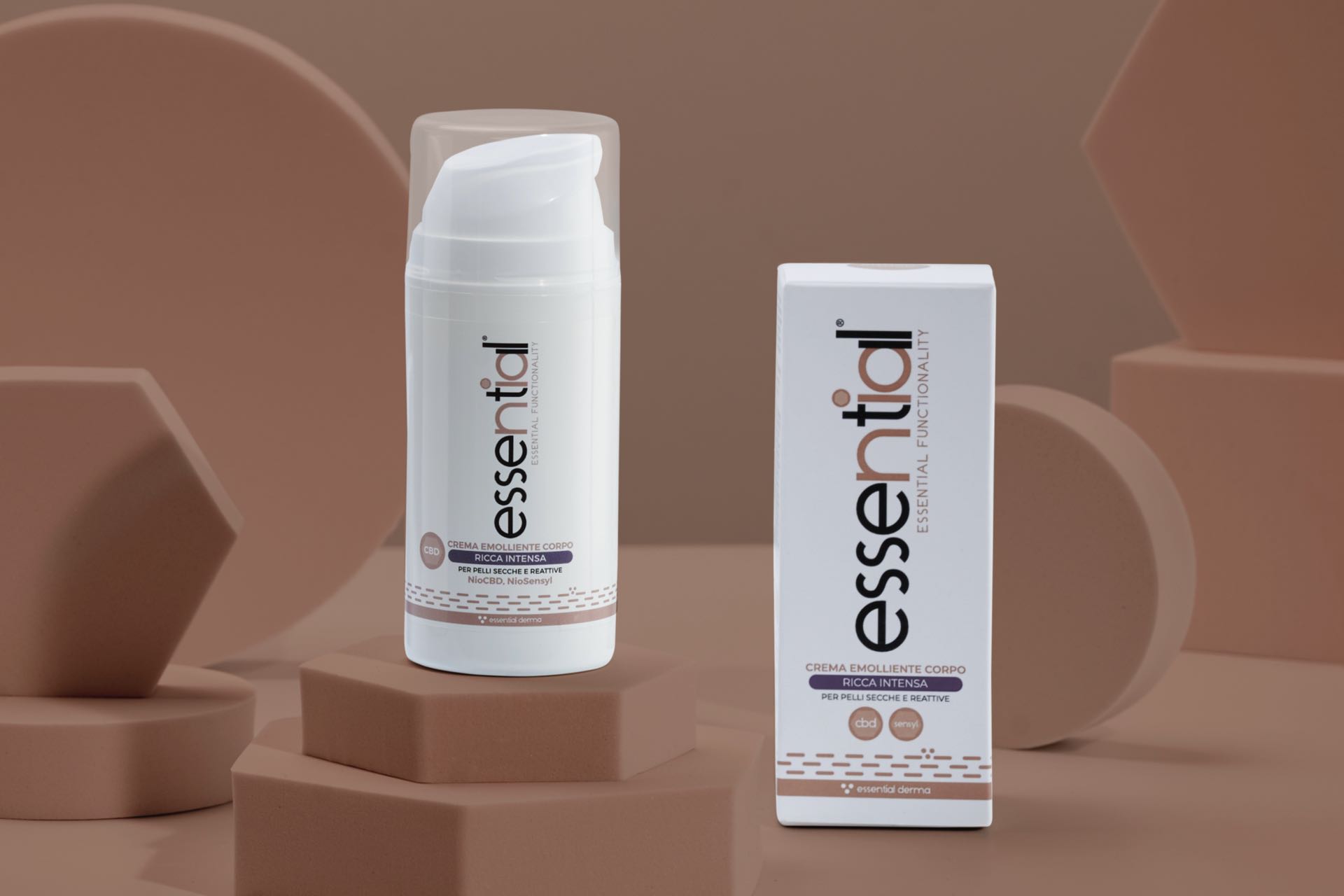


Currently, our products are exclusively available in Italy.
We are actively working on expanding our services to offer international deliveries.
Share your contact details with us, and we will keep you updated with the latest news.
Stay tuned!

Free shipping over €39
Published on 19/04/26 Pubblicato il 19/04/26
Does CBD have psychoactive effects? Is it the same as THC? Can CBD cosmetics be used to treat medical conditions?
Understanding the differences between CBD, THC, and cosmetic products can help you make informed choices and feel more confident about the products used during your skincare or wellness treatments.
CBD (cannabidiol) and THC (tetrahydrocannabinol) are both naturally occurring compounds found in the cannabis plant. However, they affect the body in different ways.
THC is primarily responsible for the intoxicating effects associated with cannabis. CBD, on the other hand, does not produce the same intoxicating effects when used in typical topical cosmetic formulations.
It’s important to remember that the presence of CBD in a skincare product does not make it a medicine. CBD cosmetics should not be considered treatments for pain, inflammation, skin diseases, or other medical conditions.
Not all products applied to the skin work in the same way.
Topical cosmetic products are designed to act mainly on the skin’s surface, helping to maintain its condition and provide a pleasant skincare experience.
Transdermal products, however, are specifically developed to deliver certain substances through the skin and into the bloodstream.
This distinction matters because a CBD cosmetic cream should not be expected to have the same effects as a medicinal product designed for systemic absorption.
Although early laboratory research into topical CBD has generated scientific interest, clinical studies involving humans remain limited. More research is needed to understand its effectiveness, appropriate concentrations, absorption, and long-term safety.
Yes. In the European Union, cosmetic products must comply with specific safety and regulatory requirements, including Regulation (EC) No 1223/2009.
Cosmetics are intended for purposes such as cleansing, protecting, moisturizing, and keeping the skin in good condition.
They are not authorized to claim that they treat medical conditions such as arthritis, nerve pain, joint inflammation, or dermatological diseases.
When choosing a CBD cosmetic product, it’s helpful to focus on its ingredients, intended use, texture, and suitability for your skin rather than expecting medical benefits.
The presence of CBD does not automatically guarantee that a product is suitable for everyone. Its regulatory compliance also depends on the source of the ingredient, the overall formulation, and applicable legislation.
If a CBD-containing cosmetic is used during a massage or wellness treatment, a few simple precautions can help support a safe and comfortable experience.
Your wellness professional should also explain which products are being used and why, so you can make informed decisions about your treatment.
When a CBD cosmetic is used during a massage, its purpose may simply be to help the practitioner’s hands glide smoothly over intact skin while providing a pleasant sensory experience.
This is different from claiming that the product reduces inflammation, treats pain, or manages a medical condition.
The key takeaway: CBD cosmetics can be part of a personal skincare or wellness routine, but they should not replace medical advice or prescribed treatments.
Choosing products with transparent ingredient information and realistic cosmetic claims is an important step toward responsible skincare.
Disclaimer: Information provided at the best of our knowledge. We do not take responsibility on information provided. Essentialnio® products are not intended to diagnose or treat disease, or to substitute a physician’s consultation. The information about products is not medical advice or treatment. If side effects occur, discontinue use and consult a clinician or your pharmacist.